Typical range: $250-$900
Sewer Line Cleaning
The buried line from your house to the street: root cutting, scale removal and jetting, with camera proof of the pipe's condition.
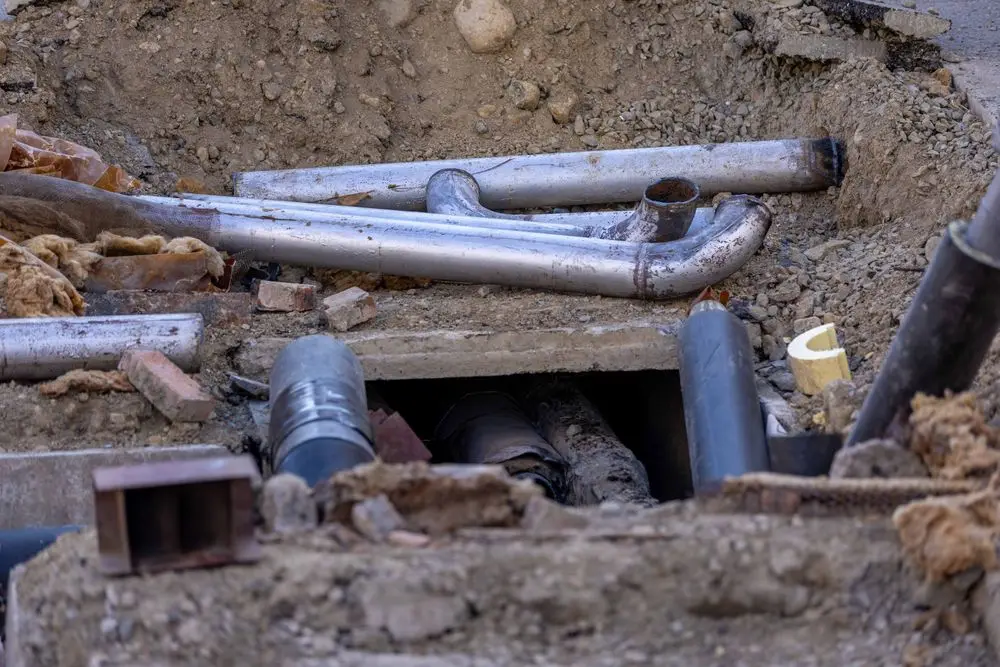
The sewer line is the section of pipe that runs underground from your house to the municipal sewer (or to your septic tank). It is out of sight, which is why problems there tend to be discovered late - often at the moment wastewater decides to come back inside. Sewer line cleaning clears this buried run with root cutters, chain knockers and hydro jetting, and it pairs naturally with a camera inspection, because on a buried pipe the condition matters as much as the blockage.
If your home is more than a few decades old, or has mature trees anywhere near the line's path, this is the plumbing service most likely to save you from a very bad week. Sewage backups damage floors, walls and belongings, and they are a genuine health hazard. A sewer line that drains slowly today is telling you something while the fix is still a cleaning rather than a cleanup.
Signs you need sewer line cleaning
Backups in the lowest drains in the house
The basement shower, floor drain or downstairs toilet are the overflow points when the sewer cannot take water away.
Multiple fixtures gurgling or bubbling
Air displaced by a downstream restriction escapes wherever it can, including through toilet bowls.
A persistent sewer smell outdoors
Odor near the line's path, especially with damp or unusually green grass above it, suggests a leaking or surcharging line.
Slow drainage everywhere after rain
Damaged joints let groundwater in, and a restricted line cannot handle the extra load.
Cleanout overflowing in the yard
If the yard cleanout shows standing sewage, the blockage is between that point and the street.
Frequent main-line clogs
A main line that needs clearing again within a year is usually telling you the sewer section has roots, scale or damage.
What causes it
Roots dominate. Sewer lines in older neighbourhoods were often built with joints that age and open slightly, and a root system only needs a hairline gap. Once inside, roots feed on the nutrients in wastewater and grow into dense masses. Clay and cast iron pipe also deteriorate from within: iron scales and tuberculates, clay cracks, and the rough surfaces collect solids. Grease and wipes add the final plug to a line that was already compromised.
Cleaning solves the blockage and, done properly, reports on the pipe. Cutting roots and jetting scale restores the full bore. But cleaning cannot mend a cracked or displaced pipe, and a collapsed section will keep catching material no matter how well it is cleaned. That is why a camera inspection is part of serious sewer work: it turns 'it clogs a lot' into a specific finding - roots at a joint, a belly at a certain distance, a break that needs a planned repair.
How the work is done
1. Access through the cleanout
The line is worked from the house cleanout or a yard cleanout, giving the equipment a direct run to the street connection.
2. Cut and clear
Root cutters or chain heads are run through the line to strip roots and scale back to the pipe wall; heavy deposits are then jetted out.
3. Camera inspection
With the line open, the camera travels its full length. You can see joints, root entry points, bellies and cracks, with distances marked.
4. Judge clean versus repair
If the pipe is sound, cleaning is the whole job. If a section is damaged, you get the footage and repair options with price ranges - spot repair, lining, or replacement of that section.
5. Final flow test
The house is run at full load to confirm the line now carries water freely to the street.
What sewer line cleaning costs
Sewer line cleaning typically runs $250-$900. The range is wide because the work varies: a short, accessible line with light root growth is one job; a long line needing root cutting, jetting and a full camera survey is another. Excavation and pipe replacement are separate, larger projects and should never be bundled into a cleaning price without camera evidence and a written scope.
Ask on the call whether the price range you are given includes the camera inspection. For a first-time or repeat sewer problem, the camera is not an upsell - it is the part that tells you whether you will be paying for the same cleaning again next year.
| Sewer Line Cleaning | Typical range: $250-$900 |
|---|
Before and after: what cleaning changes
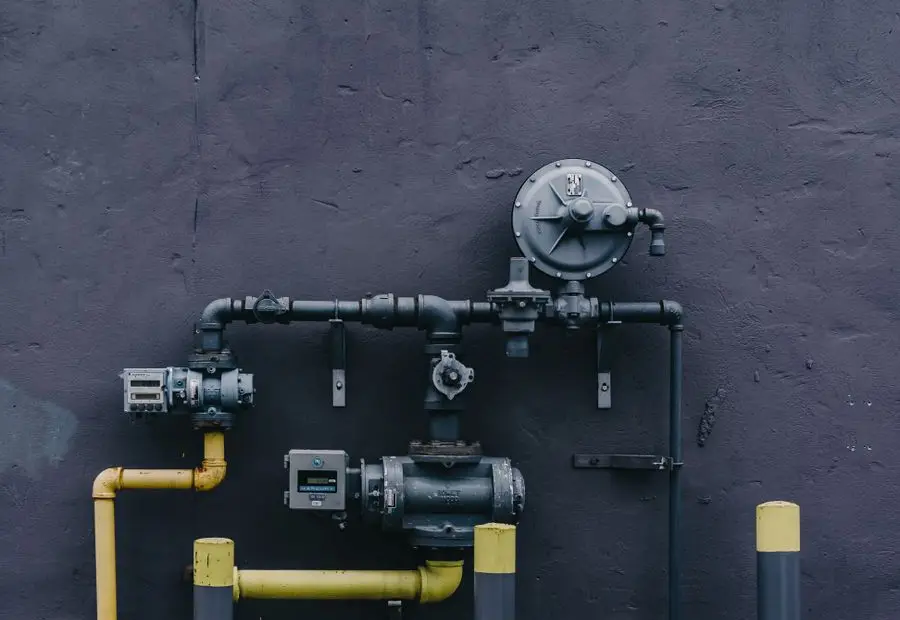
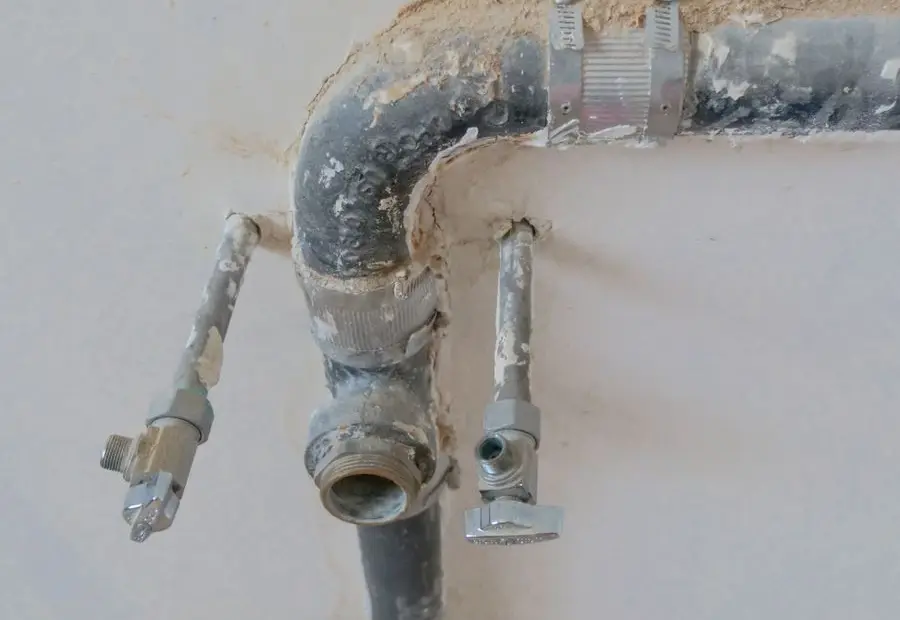
Two states of a line, side by side in one frame - drag your eye across the divider. On the left, the inside story of most repeat clogs: corrosion, scale and buildup narrowing the pipe year after year. On the right, pipework running clean and full-bore after proper cleaning. No chemicals poured in and hoped for - the material is physically removed.
 BeforeAfter
Before: Buildup, scale and corrosion narrow the line After: Full-bore flow, walls scoured clean
Illustrative stock photos of pipe conditions, not a specific customer job.
The cable at work
A main line is cleared by a machine like this one: a powered reel feeding a steel cable with a cutting head, worked through the line from a cleanout. The operator reads the cable the way you would read a rope in your hands - roots, grease and a break all feel different - and that feel is most of the diagnosis before any camera goes in. Stock footage from Pexels, shown to illustrate the equipment, not a specific job.
Can you handle it yourself first?
There is no meaningful DIY version of sewer line cleaning. The equipment is industrial, the line is buried, and the material involved is sewage. Homeowners can help by knowing where their cleanout is, keeping it accessible, and noting the pattern of symptoms (which fixtures, after what use, after rain or not) - that pattern genuinely speeds up diagnosis when the technician arrives.
Keeping it from coming back
- Keep wipes, grease and hygiene products out of the system entirely; a compromised line has no spare capacity for them.
- If roots are present, schedule cleaning on a cycle based on how fast they regrew last time - your contractor can advise from the camera footage.
- Think carefully before planting new trees or large shrubs directly over the line's path.
- Keep the yard cleanout cap intact and accessible; a missing cap lets debris and surface water in.
- For older homes, a camera survey every few years catches joint damage while a spot repair is still an option.
Book sewer line cleaning with one call
Describe the problem, hear the likely range from a local independent contractor, and agree it before work begins.
(866) 555-0134 Tap to call nowA live person answers, day or night. Describe the problem, hear the likely range, then decide.
Related services
- Drain Cleaning - typical range $99-$450
- Clogged Drain Repair - typical range $120-$550
- Main Line Cleaning - typical range $200-$650
- Hydro Jetting - typical range $300-$900
- Drain Camera Inspection - typical range $125-$500
- Kitchen Drain Cleaning - typical range $99-$400
Sewer Line Cleaning in popular cities
- Sewer Line Cleaning in New York, NY
- Sewer Line Cleaning in Los Angeles, CA
- Sewer Line Cleaning in Chicago, IL
- Sewer Line Cleaning in Miami, FL
- Sewer Line Cleaning in Houston, TX
- Sewer Line Cleaning in Dallas, TX
- Sewer Line Cleaning in Philadelphia, PA
- Sewer Line Cleaning in Atlanta, GA
- Sewer Line Cleaning in Washington, DC
- Sewer Line Cleaning in Boston, MA
Questions, answered
What is the difference between the main line and the sewer line?
In everyday use the terms overlap. Strictly, the main line is the pipe collecting all the drains inside and just outside the house, and the sewer line is the buried run from the house to the street or septic. Cleaning work on them uses the same equipment and is often quoted as one job.
How often does a sewer line need cleaning?
A healthy line may never need it. Lines with root entry typically need cleaning every 1-2 years, adjusted by how the camera shows the roots and joints developing. Your contractor can set the interval from evidence rather than habit.
Can cleaning damage an old sewer line?
Aggressive cutting in a pipe that is already crumbling can be a problem, which is why experienced technicians match the head and pressure to the pipe material and check with a camera. If a pipe is too far gone, the honest answer is repair, and cleaning first still usually restores flow in the meantime.
What if I am on a septic system?
The same cleaning applies to the line running to the tank. Tell the contractor you are on septic when you call, because a backup can also mean the tank itself needs attention, and the diagnosis covers both possibilities.
Will the camera inspection be recorded?
Ask when you book. Many contractors will show you the live camera view on site and can share the footage or stills - it is reasonable to ask, since that evidence supports any larger repair decision.