
Typical range: $150-$700
Emergency Drain Cleaning
Sewage backing up, water rising, guests arriving: what counts as a drain emergency, what to do in the first ten minutes, and how the visit works.
A drain emergency is not a slow sink. It is wastewater actively going where it should not: sewage rising in a basement shower, a toilet that overflows when the washing machine runs, a floor drain spreading water across the laundry room. Emergency drain cleaning is the rapid-response version of the trade - the line is opened, the backup is stopped, and the cause is found - and knowing what to do in the first ten minutes genuinely changes how much damage the event does.
The pattern of a real emergency is almost always a main-line or sewer restriction meeting a house that keeps using water. Every flush, every shower, every load of laundry adds gallons that have nowhere to go, and they arrive, eventually, at the lowest opening in the system. That is why the single most valuable emergency action is also the simplest: stop putting water into the drains, then make the call.
Signs you need emergency drain cleaning
Sewage or dirty water rising in a tub, shower or floor drain
The line is full and wastewater is coming back. This is the emergency threshold - treat it as urgent now.
A toilet that gurgles, bubbles or overflows when other water runs
The main line is pressurising. Continued use will push the backup somewhere worse.
Multiple drains blocked at the same time
Whole-system symptoms mean a main or sewer blockage, not a coincidence of small clogs.
Water spreading on a basement or ground floor
Active water damage is in progress; every hour of delay is more flooring, drywall and cleanup.
A strong sewage smell with any of the above
Confirms what is in the line. Keep people and pets away from affected water.
A backup that returns right after a basic clearing
Something structural is in the line - roots, a collapse, a foreign object - and it needs diagnosis, not another poke.
What causes it
Emergencies have ordinary causes arriving at a bad moment. A root mass that has been narrowing the sewer for years finally mats shut under a heavy load - a house full of guests, a laundry day, a long shower. A grease line closes completely. A wet-wipe plug that was passing slowly lodges at a bend. A sagging or damaged section, manageable at low flow, surcharges when the house runs at full capacity or heavy rain adds groundwater through old joints.
The emergency visit therefore has two jobs, not one: restore flow now, and leave you knowing why it happened. Clearing a root emergency without a camera look and a plan is how the same emergency happens again at the next family gathering. Expect the technician to clear first, explain second, and show you the evidence for any recommended follow-up - while you are under no pressure to authorise anything beyond the emergency work itself.
How the work is done
1. Stop the inflow
On the phone you will be told, if you have not already: stop using water, do not flush, and keep the affected area clear. This is step one and it is yours to do.
2. Rapid assessment on arrival
The technician identifies the lowest affected fixture and the cleanout, and works out whether the blockage is in the main or the sewer section.
3. Open the line
The appropriate cable or jet clears the blockage and the backed-up water drains away. Contaminated standing water is dealt with as part of the visit's working area.
4. Find the cause
With flow restored, a camera inspection on root, repeat or unexplained jobs shows exactly what closed the line.
5. Stabilise and plan
You get the cause, the condition of the line, and any follow-up in plain terms with price ranges - decided by you, without emergency pressure.
What emergency drain cleaning costs
Emergency drain cleaning typically runs $150-$700, with after-hours, weekend and holiday visits at the higher end and straightforward main-line clearances at the lower end. The range buys speed and the heavy equipment, and it is worth comparing honestly with the cost of the alternative: sewage cleanup, damaged floors and walls multiply a bill far beyond any callout range. A slow drain fixed during normal hours is always the cheaper version of this visit, which is why this site keeps saying: treat slow drains early.
Ask on the call what the emergency range covers - arrival, clearing, and whether a camera check is included - so the price conversation happens before the truck rolls, not after.
| Emergency Drain Cleaning | Typical range: $150-$700 |
|---|
Before and after: what cleaning changes
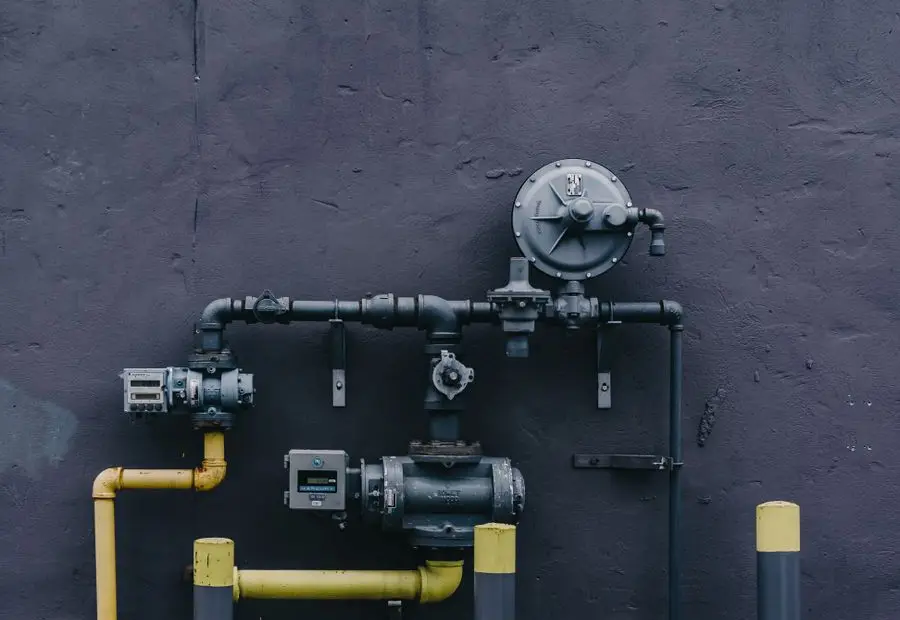
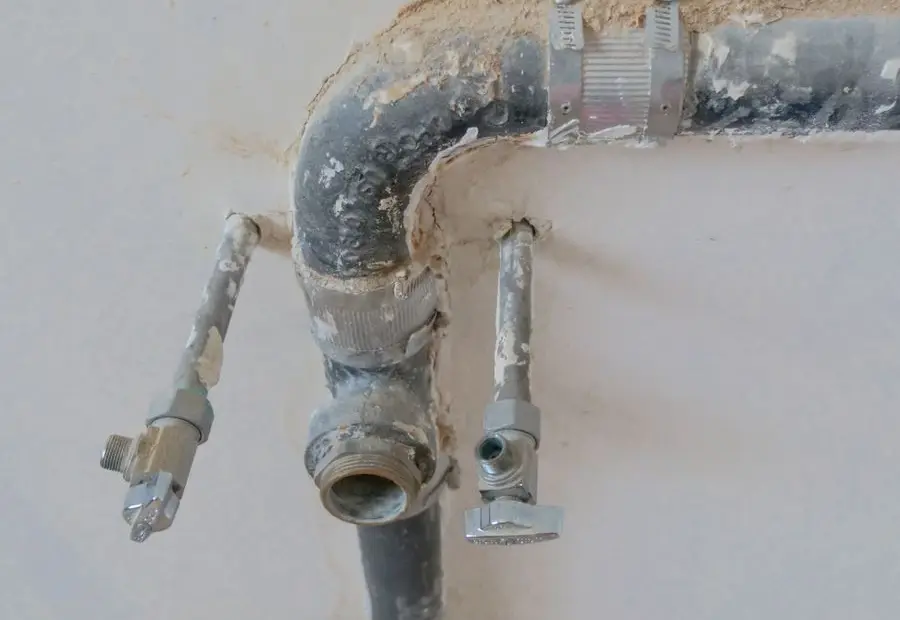
Two states of a line, side by side in one frame - drag your eye across the divider. On the left, the inside story of most repeat clogs: corrosion, scale and buildup narrowing the pipe year after year. On the right, pipework running clean and full-bore after proper cleaning. No chemicals poured in and hoped for - the material is physically removed.
 BeforeAfter
Before: Buildup, scale and corrosion narrow the line After: Full-bore flow, walls scoured clean
Illustrative stock photos of pipe conditions, not a specific customer job.
Can you handle it yourself first?
In a live backup, DIY means damage control, not repair. Stop all water use. Turn off the washing machine and dishwasher. If a toilet is the overflow point, close its supply valve. Move belongings, rugs and anything electrical off the affected floor. Do not pour chemical openers into a backed-up line - they will be part of the water that comes back at you or the technician. Do not open a pressurised cleanout yourself. Then call, and describe what is happening fixture by fixture.
Keeping it from coming back
- The best emergency prevention is boring: act on slow whole-house drainage the week you notice it, not the month it fails.
- If roots have ever been found in your line, keep to the cleaning cycle you were advised - emergencies cluster in lines that missed it.
- Before hosting a full house, a line with any known weakness deserves a quick flow test - run the laundry and showers together and watch the lowest drain.
- Never let wipes, grease or hygiene products into the system; emergency plugs are so often made of exactly those.
- Know where your main cleanout is before you ever need it, and keep it reachable.
Book emergency drain cleaning with one call
Describe the problem, hear the likely range from a local independent contractor, and agree it before work begins.
(866) 555-0134 Tap to call nowA live person answers, day or night. Describe the problem, hear the likely range, then decide.
Related services
- Drain Cleaning - typical range $99-$450
- Clogged Drain Repair - typical range $120-$550
- Main Line Cleaning - typical range $200-$650
- Sewer Line Cleaning - typical range $250-$900
- Hydro Jetting - typical range $300-$900
- Drain Camera Inspection - typical range $125-$500
Emergency Drain Cleaning in popular cities
- Emergency Drain Cleaning in New York, NY
- Emergency Drain Cleaning in Los Angeles, CA
- Emergency Drain Cleaning in Chicago, IL
- Emergency Drain Cleaning in Miami, FL
- Emergency Drain Cleaning in Houston, TX
- Emergency Drain Cleaning in Dallas, TX
- Emergency Drain Cleaning in Philadelphia, PA
- Emergency Drain Cleaning in Atlanta, GA
- Emergency Drain Cleaning in Washington, DC
- Emergency Drain Cleaning in Boston, MA
Questions, answered
What should I do first when sewage backs up?
Stop using all water in the house immediately, keep people and pets away from the affected water, move belongings off the floor if it is safe, and call. Do not flush anything and do not add chemical openers. Every litre you keep out of the system is a litre that does not end up on the floor.
How fast can someone get here?
Response times depend on your area and the time of day, and you will be given a realistic window on the call rather than a promise nobody can keep. Drain backups are prioritised because the damage grows while water keeps arriving.
Is a single overflowing toilet an emergency?
If it overflows only when flushed and everything else drains, it is usually a toilet or local branch clog - urgent, but often bookable the same day at normal hours. If it overflows or bubbles when other fixtures run, that is a main-line pattern and should be treated as an emergency.
Will the emergency visit fix it permanently?
It fixes the blockage and restores flow. Permanence depends on the cause: a one-off plug is done; a root mass or damaged section needs the follow-up plan the technician outlines. You will know which situation you are in before they leave.
Does insurance cover drain backups?
Often there is a specific water or sewer backup coverage in home policies, but terms vary widely. Take photos of the damage, keep the contractor's invoice and findings, and speak to your insurer - the camera findings from the visit can be useful evidence.