Typical range: $250-$1,200
Commercial Drain Cleaning
Restaurants, rentals, offices and multi-unit buildings: scheduled cleaning and jetting that keeps drains off your problem list.
Commercial drains live a harder life than domestic ones. A restaurant kitchen line takes in a day's grease in an evening. A rental building's main line serves a dozen households' worth of wipes, hair and laundry. A cafe floor drain, a salon's sinks, a gym's showers - every trade loads its drains in its own way, and commercial drain cleaning is built around that reality: heavier equipment, work scheduled around trading hours, and planned maintenance that prevents the closure, the flood, or the health-inspection conversation nobody wants.
The commercial difference is consequence. A blocked drain at home is an inconvenience; in a business it is lost trading, refunds, staff standing idle, and in food premises a genuine compliance problem. That is why commercial work is usually planned rather than reactive - a line surveyed once, cleaned on a sensible cycle, and documented - and why the emergency version, when it happens, is about restoring operation first and paperwork second.
Signs you need commercial drain cleaning
Slow drains during peak service
A kitchen or washroom that copes at 10am and fails at 7pm has a line at the edge of its capacity - the classic pre-failure commercial pattern.
Odors customers can smell
Drain odor in a customer area is a business problem, not just a plumbing one, and it usually means buildup in the line or a dry trap.
Repeated callouts for the same line
Paying for emergency clearances twice is the signal to switch the line to a maintenance cycle with jetting and camera records.
Grease trap or interceptor overloading quickly
If the trap fills fast or the line beyond it clogs, the drainage between kitchen and trap needs attention, not just more trap pumping.
Backups in ground-floor or basement units
In multi-unit buildings, the lowest units suffer first from a building main restriction - and their complaints are your early warning.
A new tenancy or change of use
Taking over premises without knowing the drain condition is a common and avoidable commercial surprise. A survey first is cheap insurance.
What causes it
Each sector has its signature load. Food premises: fats, oils and grease in volume, plus food solids, defeating any line that is not jetted on a cycle. Hospitality and gyms: hair, soap and laundry lint at scale. Retail and offices: washroom lines loaded with paper products that were never meant to be flushed. Multi-unit residential: everything a street of houses would produce, concentrated into one building main. Older commercial buildings add the same structural issues as homes - roots at the sewer connection, scale, sagging runs - but under far heavier daily flow.
The other commercial cause is history. Premises change hands, fit-outs alter drainage runs, records vanish. Lines that were marginal for a quiet cafe become inadequate for a busy kitchen, and nobody knows the pipe's condition until it fails during service. A camera survey replaces that guesswork with a map: which lines, what condition, what needs a cycle and what needs repair - the foundation of any sensible maintenance plan.
How the work is done
1. Survey and scope
The lines involved are identified - kitchen, washrooms, floor drains, building main - and a camera survey on problem lines establishes condition before a plan is priced.
2. Schedule around trading
Cleaning and jetting are booked for closed hours, early mornings, or quiet periods, agreed with you, so the work does not become the disruption it is meant to prevent.
3. Clean and jet to the wall
Commercial lines are jetted or cabled to a genuinely clean state, including grease work that a basic clearance would leave behind.
4. Document the condition
You receive the findings in plain terms: line condition, any defects with locations, and recommended intervals - the record that makes future decisions and landlord conversations easy.
5. Set the maintenance cycle
Grease-heavy lines might be quarterly, building mains annual, adjusted by what the survey actually found rather than a generic timetable.
What commercial drain cleaning costs
Commercial drain cleaning typically runs $250-$1,200 per visit depending on the number of lines, their length and condition, grease load, access, and whether the work is done out of hours. A single-line jetting visit sits low; a full-premises clean with a building main and camera survey sits higher. Maintenance agreements spread the same work across the year at planned rates, which is nearly always cheaper than the emergency version of the same job - an emergency callout during trading, with the business closed, costs more in every sense.
When you call, describe the premises, the lines involved and the pattern of trouble. Commercial pricing sharpens quickly once the contractor knows whether it is one kitchen line or a whole building, and you will hear a range that matches the real scope.
| Commercial Drain Cleaning | Typical range: $250-$1,200 |
|---|
Before and after: what cleaning changes
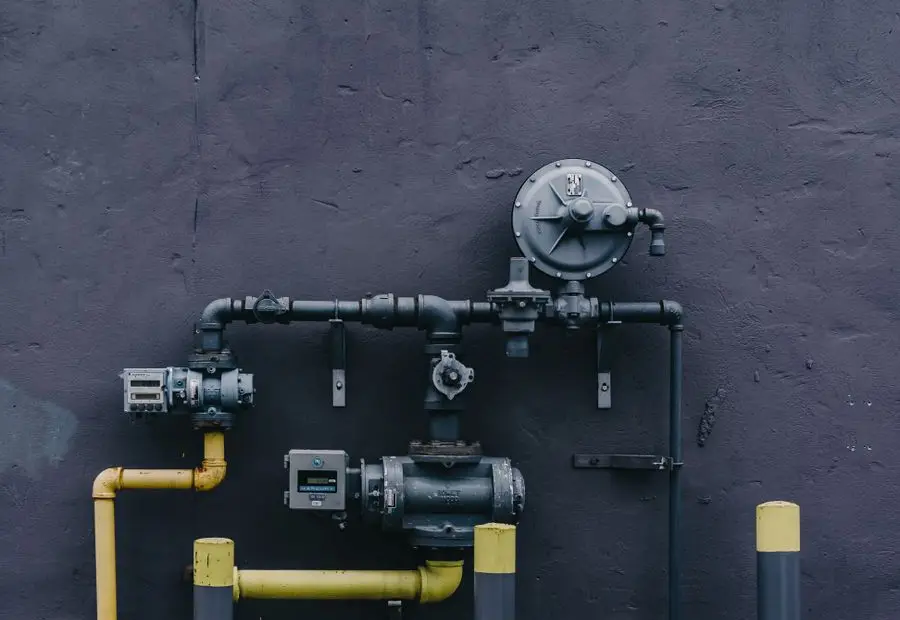
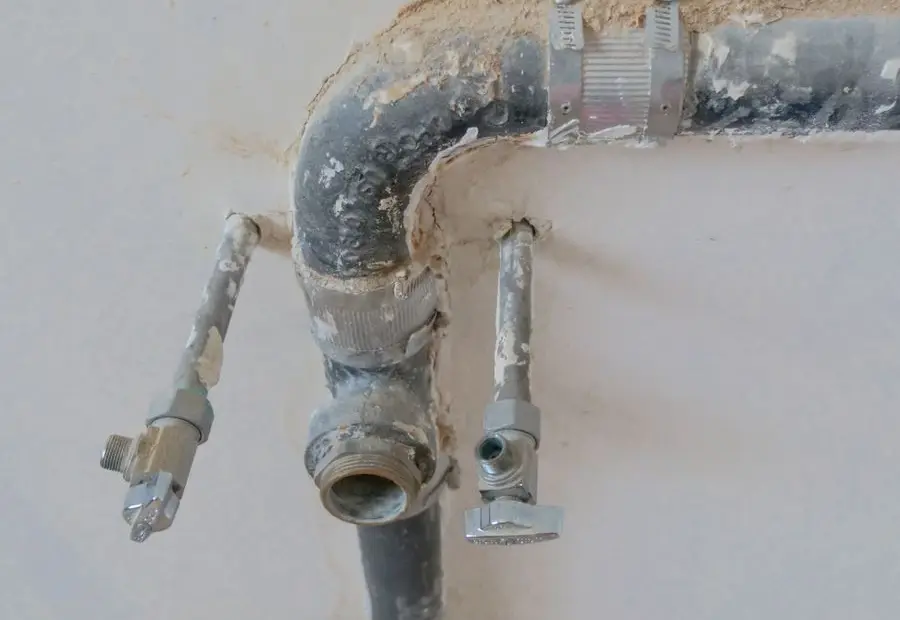
Two states of a line, side by side in one frame - drag your eye across the divider. On the left, the inside story of most repeat clogs: corrosion, scale and buildup narrowing the pipe year after year. On the right, pipework running clean and full-bore after proper cleaning. No chemicals poured in and hoped for - the material is physically removed.
 BeforeAfter
Before: Buildup, scale and corrosion narrow the line After: Full-bore flow, walls scoured clean
Illustrative stock photos of pipe conditions, not a specific customer job.
Can you handle it yourself first?
Commercial premises have extra reasons to keep DIY drain work minimal: liability, food-safety rules, and the simple fact that a chemical opener or a badly used cable in a trading business can create a worse incident than the clog. Staff-level measures that do help: strict grease handling at source, strainers on every sink, a log of slow-drain reports from staff so patterns are caught early, and keeping floor drain traps wet. Beyond that, scheduled professional service is the appropriate tool.
Keeping it from coming back
- Put grease lines on a jetting cycle matched to your kitchen's volume, and keep grease out of sinks at source with proper handling and staff habits.
- Keep a simple drain log: date, line, symptom, action. Patterns that are invisible week to week become obvious in a log.
- Survey drains before signing a lease or after a change of use - inherit a known condition, not a surprise.
- Keep access points, cleanouts and grease trap lids reachable; buried access adds cost to every visit.
- After any emergency, convert the finding into a plan on the spot - the cheapest commercial drain strategy is never having the same emergency twice.
Book commercial drain cleaning with one call
Describe the problem, hear the likely range from a local independent contractor, and agree it before work begins.
(866) 555-0134 Tap to call nowA live person answers, day or night. Describe the problem, hear the likely range, then decide.
Related services
- Drain Cleaning - typical range $99-$450
- Clogged Drain Repair - typical range $120-$550
- Main Line Cleaning - typical range $200-$650
- Sewer Line Cleaning - typical range $250-$900
- Hydro Jetting - typical range $300-$900
- Drain Camera Inspection - typical range $125-$500
Commercial Drain Cleaning in popular cities
- Commercial Drain Cleaning in New York, NY
- Commercial Drain Cleaning in Los Angeles, CA
- Commercial Drain Cleaning in Chicago, IL
- Commercial Drain Cleaning in Miami, FL
- Commercial Drain Cleaning in Houston, TX
- Commercial Drain Cleaning in Dallas, TX
- Commercial Drain Cleaning in Philadelphia, PA
- Commercial Drain Cleaning in Atlanta, GA
- Commercial Drain Cleaning in Washington, DC
- Commercial Drain Cleaning in Boston, MA
Questions, answered
Can the work be done outside trading hours?
Yes - commercial drain work is routinely scheduled for closed hours, early mornings or quiet periods. Mention your trading hours when you call and the visit will be planned around them; out-of-hours scheduling is one of the factors in the price range.
Do restaurants really need scheduled jetting?
Most do. A working kitchen loads its line with grease daily, and a cable clearance only opens a channel through it. Jetting on a cycle - often quarterly for busy kitchens, set by the actual load - keeps the full bore open and prevents the mid-service failure that costs far more.
Can you maintain a whole rental building?
Yes. Building mains, stacks and ground-floor lines can be surveyed, cleaned and put on an annual or condition-based cycle, with findings documented per line - useful for owners, managers and landlord discussions alike.
What documentation do we receive?
A plain-language summary of what was cleaned, what the camera found, any defects with their locations, and recommended next steps and intervals. That record is yours and supports both maintenance planning and any tenancy or insurance conversation.
Is a blocked drain a health issue for a food business?
It can be. Standing wastewater, odors and any sewage backup in a food premises are taken seriously in inspections, which is one more reason food businesses keep drains on a planned cycle rather than waiting for a failure.