Typical range: $125-$500
Drain Camera Inspection
See inside the pipe before you spend on the fix: roots, cracks, bellies and blockages located precisely, with footage to decide on.
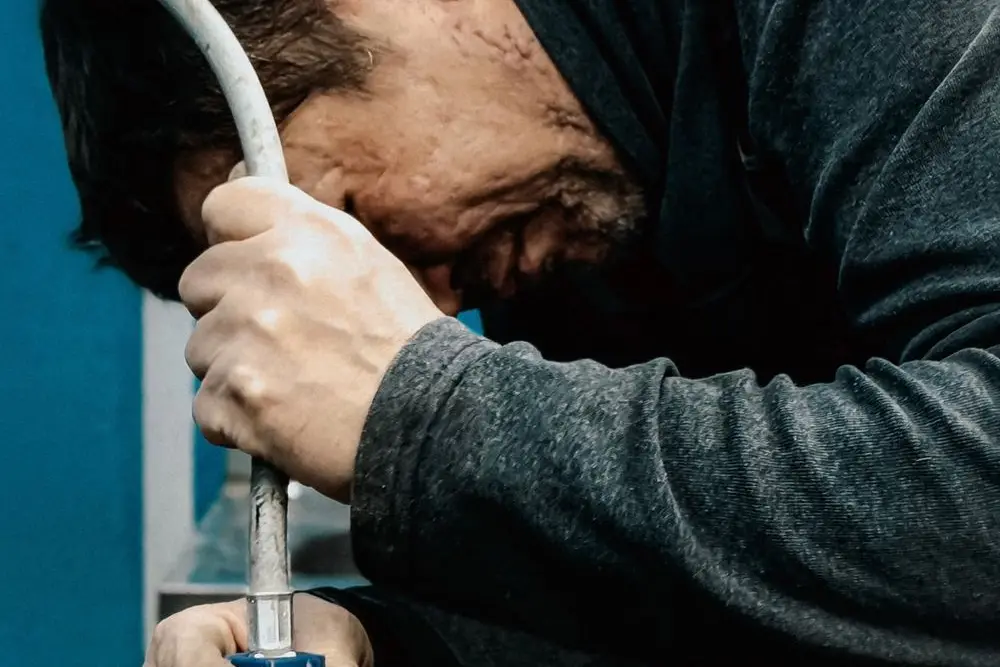
A drain camera inspection sends a small waterproof camera on a flexible rod through your drain or sewer line, transmitting a live view of the pipe's interior to a monitor. Instead of inferring the problem from symptoms, you can watch it: roots growing through a joint, a crack, a sagging section holding water, scale narrowing the bore, or the exact object causing a blockage - along with a distance measurement that says precisely where it sits.
This is the service that turns guesswork into a decision. Cleaning a line blind is fine for a first, simple clog. But for repeat problems, for sewer lines, and before any expensive repair, the camera is what separates a necessary repair from an unnecessary one - and it protects you as much as it informs the contractor, because the evidence is on screen for both of you.
Signs you need drain camera inspection
A drain or main line that clogs repeatedly
Repetition means an underlying condition. The camera names it instead of paying for another blind clearing.
You suspect tree roots
Roots are visible directly, along with how much of the line they occupy and what they have done to the joints.
You are buying or selling a home
A sewer survey before purchase can reveal a line that will need thousands in work - far better learned before contracts than after.
A sewer smell nobody can trace
A cracked or displaced pipe leaking underground is a common hidden cause, and it shows up clearly on camera.
Water backs up but clears with basic cleaning
A belly, offset or partial collapse can let water through today and fail tomorrow; the camera shows the shape of the problem.
You need to locate a line or cleanout
Camera heads carry a transmitter that can be located from the surface, mapping the line's path and depth.
What causes it
The camera does not have causes of its own - it reveals everyone else's. What inspections most often find, in rough order: tree roots entering at joints; scale and corrosion in older metal pipe; grease coating in kitchen-fed lines; a belly, where a section of pipe has settled and permanently ponds water and solids; offset or cracked joints; construction debris left in a line; and lost objects, from toys to tools to a previous cleaner's broken cable.
Each finding has a different correct response, which is the entire point. Roots might need cutting and a maintenance cycle. A belly might be monitored, or repaired if it is causing the backups. A crack near the surface might be a modest spot repair; a long collapsed run is a bigger conversation. Without the inspection, all of those situations present identically - as 'the drain is slow again' - and money gets spent in the wrong order.
How the work is done
1. Access the line
The camera enters through a cleanout, a removed trap, or a fixture, depending on which line is being inspected.
2. Travel the line with the camera
The operator pushes the camera through, watching the live feed and narrating what appears - buildup, joints, roots, damage - with distances from the entry point.
3. Locate problem spots from the surface
A receiver above ground pinpoints the camera head, so a repair can be dug precisely instead of trenching a whole yard.
4. Show you the findings
You see the footage and hear what each finding means, what is urgent, what can wait, and what your options cost in ranges.
5. Leave a record
Ask whether stills or video can be shared. A saved inspection is valuable when planning work or when a home changes hands.
What drain camera inspection costs
A drain camera inspection typically runs $125-$500 depending on line length, access, and whether it is a standalone visit or added to a cleaning. When combined with cleaning on the same visit it is often at the favourable end of the range, because the equipment is already on site. As a standalone diagnostic before a repair decision, it is usually the best money in the whole process: it prevents paying for the wrong fix.
On the call, say what you already know - repeat clogs, a suspected root problem, a home purchase. That context tells the contractor which line to survey and how much time to allow, and it sharpens the price range you are given.
| Drain Camera Inspection | Typical range: $125-$500 |
|---|
Before and after: what cleaning changes
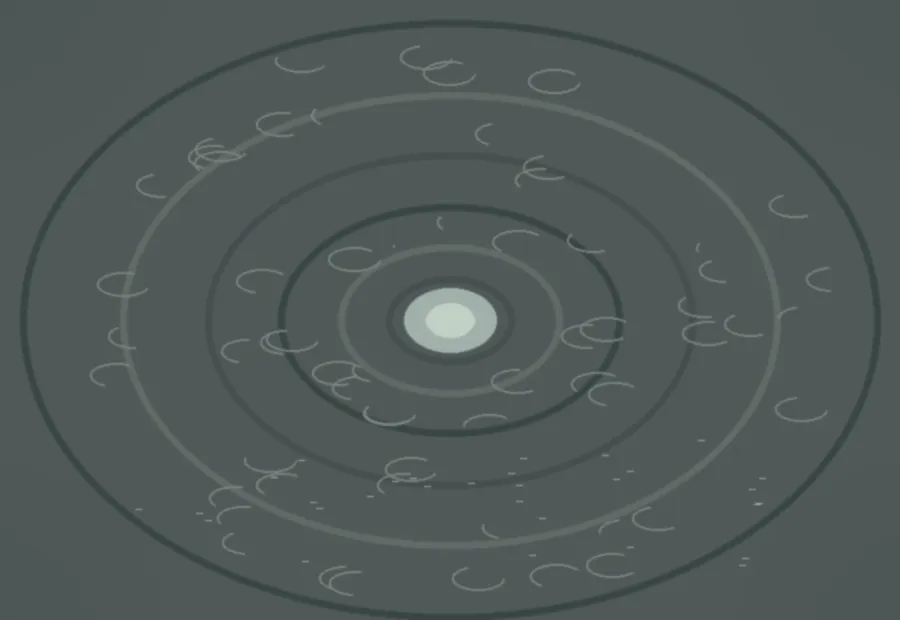
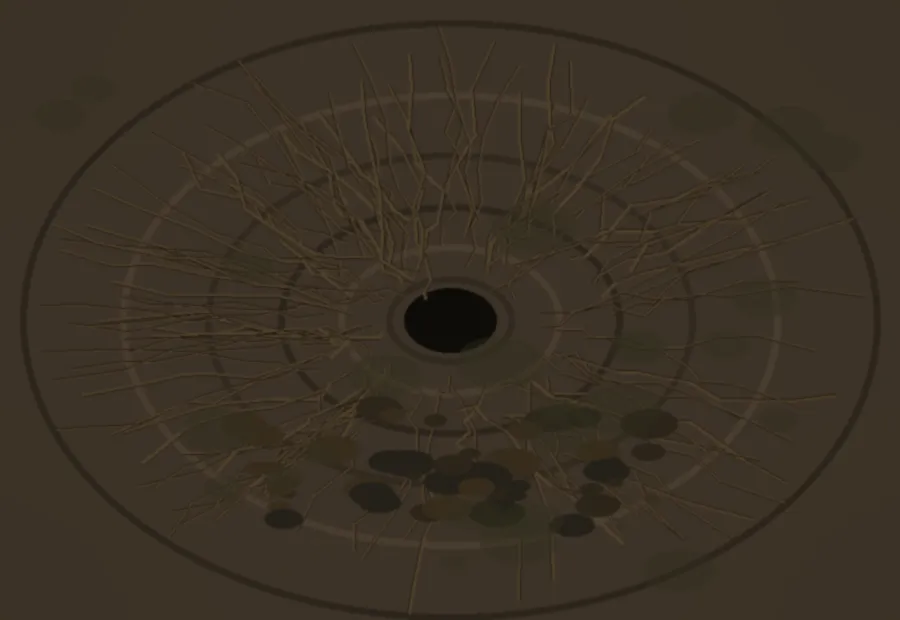
Two states of a line, side by side in one frame - drag your eye across the divider. On the left, the inside story of most repeat clogs: corrosion, scale and buildup narrowing the pipe year after year. On the right, pipework running clean and full-bore after proper cleaning. No chemicals poured in and hoped for - the material is physically removed.
 BeforeAfter
Before: Roots and debris choke the bore, seen on a drain camera After: The same line cleared, water running full-bore
Camera-view illustrations of pipe conditions, drawn for this site - not footage from a specific job.
Can you handle it yourself first?
Inexpensive USB endoscopes exist, and they can be genuinely handy for seeing a few feet into a sink trap. They are not sewer cameras: the cable is too short and too floppy to travel a line, there is no distance counter or locatable transmitter, and the image cannot judge a main line. Use the toy for the trap if you like; use the professional camera for decisions about buried pipe.
Keeping it from coming back
- Keep the inspection report and footage with your home records; it is the baseline for every future drain decision.
- If roots were found, set the cleaning interval from how the joints looked, not from a generic schedule.
- If a belly or offset was found but is not yet causing symptoms, note the distance so any future inspection can compare.
- After any repair, a short post-repair camera check confirms the fix and closes the loop.
- Before major landscaping or a new tree near the line, check the recorded line path first.
Book drain camera inspection with one call
Describe the problem, hear the likely range from a local independent contractor, and agree it before work begins.
(866) 555-0134 Tap to call nowA live person answers, day or night. Describe the problem, hear the likely range, then decide.
Related services
- Drain Cleaning - typical range $99-$450
- Clogged Drain Repair - typical range $120-$550
- Main Line Cleaning - typical range $200-$650
- Sewer Line Cleaning - typical range $250-$900
- Hydro Jetting - typical range $300-$900
- Kitchen Drain Cleaning - typical range $99-$400
Drain Camera Inspection in popular cities
- Drain Camera Inspection in New York, NY
- Drain Camera Inspection in Los Angeles, CA
- Drain Camera Inspection in Chicago, IL
- Drain Camera Inspection in Miami, FL
- Drain Camera Inspection in Houston, TX
- Drain Camera Inspection in Dallas, TX
- Drain Camera Inspection in Philadelphia, PA
- Drain Camera Inspection in Atlanta, GA
- Drain Camera Inspection in Washington, DC
- Drain Camera Inspection in Boston, MA
Questions, answered
What exactly will the camera show?
The inside of the pipe along its full travelled length: joints, buildup, roots, cracks, standing water in bellies, and blockages, with a running distance count. The operator explains what you are seeing as it appears.
Do I need an inspection for a first-time clog?
Usually not. A first, single-fixture clog is normally just cleared. Inspections earn their cost on repeat clogs, main and sewer lines, older homes, sewer odors, and before authorising any excavation or replacement work.
Can the camera find where to dig?
Yes. The camera head transmits a signal that a surface locator reads, marking the spot and the depth. That precision is what keeps a repair dig small instead of exploratory.
How long does an inspection take?
Most residential inspections take 30-60 minutes once access is set up. Longer lines, multiple access points, or a line that must be cleaned before the camera can travel take more time.
What if the line is too blocked for the camera?
Then the line is cleared first - a camera cannot see through a pipe full of backed-up water and debris. Clearing and inspection are commonly done in the same visit for exactly this reason.