Typical range: $99-$400
Kitchen Drain Cleaning
Grease, food sludge and dishwasher backflow: the kitchen line cleaned properly, with the habits that keep it clear explained.
The kitchen sink works harder than any other drain in the house and is fed the worst diet: cooking oils, grease, food particles, coffee grounds and detergent, several times a day. Kitchen drain cleaning clears the grease-and-sludge buildup that this diet creates in the trap and the branch line behind the wall - the section where kitchen clogs actually live, usually beyond the reach of a plunger.
The classic kitchen pattern is a slow decline. The sink drains fine for years, then starts to empty a little slowly, then holds water while the dishwasher runs, then smells faintly of old food even after the sink itself is clean. By the smell stage, the pipe wall is coated and the remaining opening is a fraction of the pipe's real size. Cleaning at that point restores the full bore - and a conversation about grease habits decides how long it stays that way.
Signs you need kitchen drain cleaning
The sink empties slowly, especially after meals
Buildup in the branch line restricts flow most noticeably when the sink is full or the dishwasher discharges.
Water rises on the other side of a double sink
A shared trap and line below the split means a restriction downstream pushes water up the other bowl.
Gurgling when the dishwasher drains
The dishwasher pumps water in faster than a narrowed line can take it, and air complains through the trap.
A sour, old-food smell at the sink
Decomposing sludge coating the pipe is the usual source, not the sink surface itself.
Frequent need for the plunger
If plunging has become a weekly ritual, the line needs cleaning, not more plunging.
Drain flies around the kitchen sink
The sludge layer inside the pipe is where these flies feed and breed.
What causes it
Grease is the main architect of kitchen clogs. Poured or washed down warm, it travels a short distance, cools against the pipe wall, and sets. The next day's grease sticks to it. Over months the coating thickens into a soft, narrowing sleeve that catches every food particle passing through, and the two together become the dense sludge a technician pulls out of a mature kitchen line. Ground coffee, rice, pasta and fibrous scraps swell or mat inside that sleeve and finish the job.
The garbage disposal, used carelessly, accelerates things - it grinds food into particles small enough to pass the trap but perfect for settling in a greased line. Hard-water scale roughens the wall and gives the grease more grip. And in some kitchens the honest cause is geometry: a long, nearly flat run to the main stack gives slow water plenty of time to drop everything it carries.
How the work is done
1. Clear and inspect the trap
The trap under the sink comes off first. If the clog is there, it is cleaned or the trap replaced; if the trap is clean, the problem is in the wall line, which is where most kitchen clogs are.
2. Cable the branch line
A powered cable with a grease-cutting head goes through the wall access and works the full run to the stack, scraping the coating as it goes.
3. Jet when the coating is heavy
A mature grease sleeve often finishes better with hydro jetting, which scours the wall the cable has opened up.
4. Flush and test with the dishwasher
Hot water runs and the dishwasher is cycled, because the true test of a kitchen line is a full pumped discharge, not a gentle tap flow.
5. Talk through the grease habits
Two minutes on what goes down the sink from now on is worth more than any product - it is the difference between a yearly problem and a solved one.
What kitchen drain cleaning costs
Kitchen drain cleaning typically runs $99-$400. Clearing the trap and a short branch sits low; cabling a long greased run, or jetting it, sits higher. Adding a disposal replacement or trap replacement during the same visit changes the range, and your contractor can separate the two costs clearly when you call, so you know the cleaning price on its own.
Describe the pattern when you call - slow for weeks, worse with the dishwasher, smell or not. Kitchen symptoms are distinctive, and the contractor can usually tell from them whether to expect a trap job or a full branch cleaning, which sharpens the range you hear.
| Kitchen Drain Cleaning | Typical range: $99-$400 |
|---|
Before and after: what cleaning changes
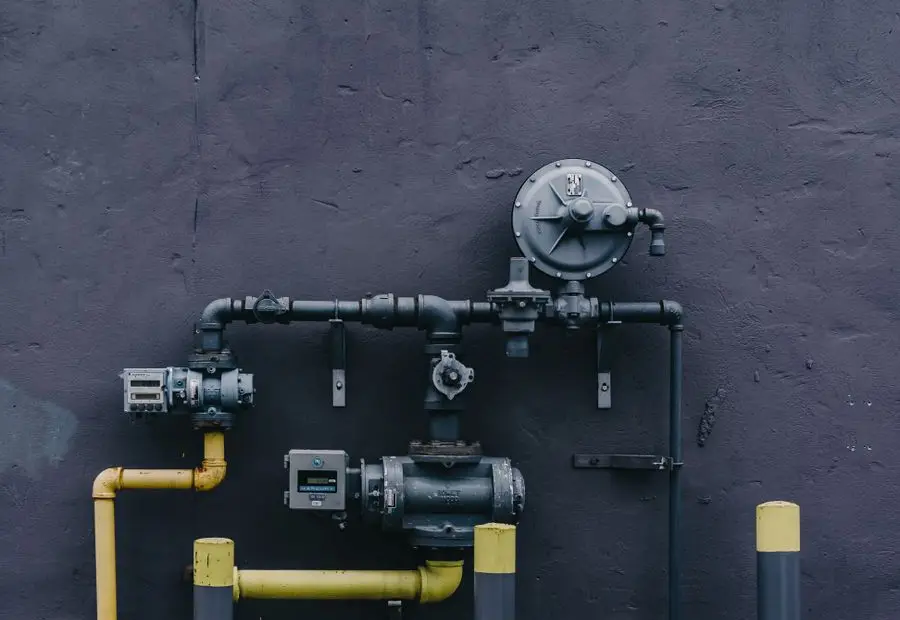
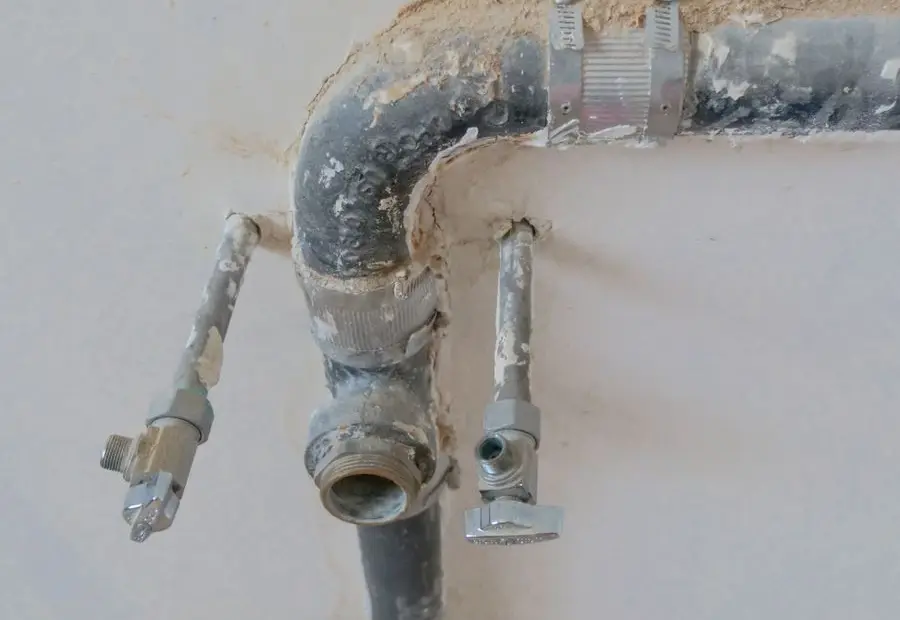
Two states of a line, side by side in one frame - drag your eye across the divider. On the left, the inside story of most repeat clogs: corrosion, scale and buildup narrowing the pipe year after year. On the right, pipework running clean and full-bore after proper cleaning. No chemicals poured in and hoped for - the material is physically removed.
 BeforeAfter
Before: Buildup, scale and corrosion narrow the line After: Full-bore flow, walls scoured clean
Illustrative stock photos of pipe conditions, not a specific customer job.
Can you handle it yourself first?
Boiling water and washing-up liquid can soften a young grease restriction and are a reasonable weekly habit. A plunger works on a trap-level clog if you seal the other bowl and the dishwasher outlet. Beyond that, be careful: chemical openers in a grease line mostly melt a small channel through the sludge, which closes again within weeks, and repeated use attacks traps and seals. If the sink has been slowing for more than a month, the coating is established and needs mechanical cleaning.
Keeping it from coming back
- No grease down the sink, in any amount, ever: scrape pans into the trash and pour cooled oil into a container for disposal.
- Run cold water while using the disposal, and let it run a few seconds after - cold water keeps grease solid so the disposal can move it through instead of coating the line.
- Use the disposal for scraps, not as a bin: fibrous, starchy and stringy foods belong in the trash or compost.
- A weekly kettle of hot water with a little dish soap helps a line stay ahead of soft buildup.
- Fit a sink strainer and empty it into the trash - everything it catches was on its way to the line.
Book kitchen drain cleaning with one call
Describe the problem, hear the likely range from a local independent contractor, and agree it before work begins.
(866) 555-0134 Tap to call nowA live person answers, day or night. Describe the problem, hear the likely range, then decide.
Related services
- Drain Cleaning - typical range $99-$450
- Clogged Drain Repair - typical range $120-$550
- Main Line Cleaning - typical range $200-$650
- Sewer Line Cleaning - typical range $250-$900
- Hydro Jetting - typical range $300-$900
- Drain Camera Inspection - typical range $125-$500
Kitchen Drain Cleaning in popular cities
- Kitchen Drain Cleaning in New York, NY
- Kitchen Drain Cleaning in Los Angeles, CA
- Kitchen Drain Cleaning in Chicago, IL
- Kitchen Drain Cleaning in Miami, FL
- Kitchen Drain Cleaning in Houston, TX
- Kitchen Drain Cleaning in Dallas, TX
- Kitchen Drain Cleaning in Philadelphia, PA
- Kitchen Drain Cleaning in Atlanta, GA
- Kitchen Drain Cleaning in Washington, DC
- Kitchen Drain Cleaning in Boston, MA
Questions, answered
Why does my kitchen sink smell even after I clean it?
Because the smell lives in the pipe, not the sink. A sludge layer of grease and food residue coats the trap and branch line and decomposes there. Cleaning the line removes the source; surface cleaning and scented products only mask it.
Is the garbage disposal causing this?
Not by itself, but how it is used matters. Run cold water during and after grinding, feed food gradually, and avoid fibrous or starchy loads. A disposal that sends ground food into an already greased line makes the buildup grow faster.
Can I just use a chemical opener regularly?
It is not recommended. Chemical openers melt a narrow path through grease that closes again, they are hard on traps and seals, and they leave a corrosive residue in the line that makes the eventual professional cleaning nastier. Mechanical cleaning removes the coating rather than bypassing it.
How long will a professional cleaning last?
On a healthy line with reasonable grease habits, years. If the same line clogs again within months, either the coating was not fully removed - jetting may be the answer - or a geometry or scale issue needs a camera look.
Why does the dishwasher make it worse?
A dishwasher discharges a large volume quickly, under pump pressure. A line that copes with a running tap can be overwhelmed by that surge when it is narrowed, which is why the dishwasher cycle is when slow kitchen lines first overflow or gurgle.