Typical range: $99-$450
Drain Cleaning
The core service: mechanical cleaning that clears the clog and scrapes the pipe walls, not just a hole poked through the blockage.
Drain cleaning is the work of clearing a blocked or sluggish drain line so wastewater flows the way the pipe was designed to carry it. A professional cleaning does more than open a hole in the clog. Cables and blades are sized to the pipe so the buildup on the walls - grease, soap, hair, scale and silt - comes out with the blockage. That difference is why a properly cleaned drain stays clear for months while a quick poke-through often clogs again within weeks.
Almost every home needs this service eventually, because drains fail gradually. Water that once vanished starts to linger. A shower pools around your ankles. The kitchen sink burps air when the dishwasher drains. Those early signs mean the pipe is narrowing, and cleaning it at that stage is the cheapest and least disruptive moment to act. Wait until the line is fully blocked and you are dealing with standing water, odors and a possible backup instead of a routine visit.
Signs you need drain cleaning
Slow drainage
One fixture drains noticeably slower than it used to, or slower than the others in the house. The pipe is losing diameter to buildup.
Gurgling sounds
Air trapped by a partial blockage bubbles back through traps and vents. Gurgling after a flush or while a nearby fixture drains is an early warning.
Standing water
Water that sits in a tub, shower or sink and takes minutes to disappear means the restriction is close to complete.
Odors from the drain
A sewer or rotten smell at a fixture usually means organic material is stuck in the line and decomposing there.
Recurring clogs
A drain that clogs again a few weeks after clearing was never fully cleaned, or something structural is catching debris.
Fruit flies and drain flies
Small flies around a sink point to a layer of sludge in the pipe where they feed and breed.
What causes it
Most household clogs are boring and predictable. Kitchen lines collect cooking grease that cools and hardens on the pipe wall, then catches food particles until the opening narrows to a slit. Bathroom lines collect hair bound together with soap scum and toothpaste. Laundry lines collect lint and detergent residue. Floor drains collect silt. Each material needs the right tool: a grease line needs a blade that scrapes, a hair clog needs a cable that grabs and pulls, and a main line needs heavier equipment than a sink line.
Some causes are structural instead of behavioural. Tree roots enter sewer lines through tiny joint gaps and grow into nets that catch everything passing by. Older pipes develop scale and corrosion that roughen the wall and grab debris. A section of pipe can sag - plumbers call it a belly - and hold water and solids permanently. Cleaning fixes the buildup in all of these cases, but when the cause is structural the visit should end with a camera look and an honest conversation about the longer fix.
How the work is done
1. Pinpoint the line
The technician starts by working out which line is restricted: one fixture, one branch, or the main. That one decision controls the price, the equipment and the time on site.
2. Choose the access point
Lines are cleaned through the fixture, a trap, or a cleanout. A good cleanout makes the job faster and more thorough, and your technician can show you where yours is.
3. Run the right cable or jet
A powered cable with the correct head cuts, scrapes or retrieves the blockage. Soft grease may call for hydro jetting instead, which scours the wall with high-pressure water.
4. Test under load
The line is flushed and run at full flow, and other fixtures are checked, so a second restriction further down is caught now rather than next week.
5. Explain what came out
What comes back on the cable tells the story - grease, hair, roots, scale, or a foreign object. You should hear what it was and what it means for how long the line will stay clear.
What drain cleaning costs
Most standard drain cleaning visits land between $99-$450. A single accessible sink, tub or shower line sits at the lower end. Main lines, lines that need hydro jetting, and lines with difficult access sit higher. After-hours emergency visits usually cost more than the same work booked in daylight, which is why a slow drain is worth handling before it becomes a midnight backup.
The honest way to handle price is to ask on the call. When you phone through this site you can describe the fixture and the symptoms, hear the likely price range for that job, and agree the range with the contractor before anyone starts work. If the job turns out to be bigger than described - a collapsed line, for example - the contractor should stop, show you the problem, and talk through options before any further cost is added.
| Drain Cleaning | Typical range: $99-$450 |
|---|
Before and after: what cleaning changes
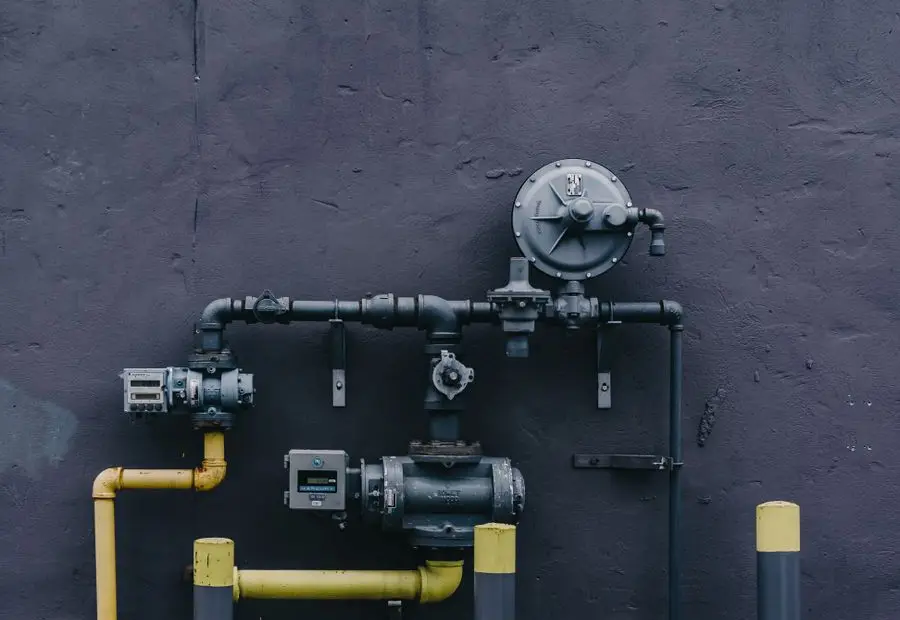
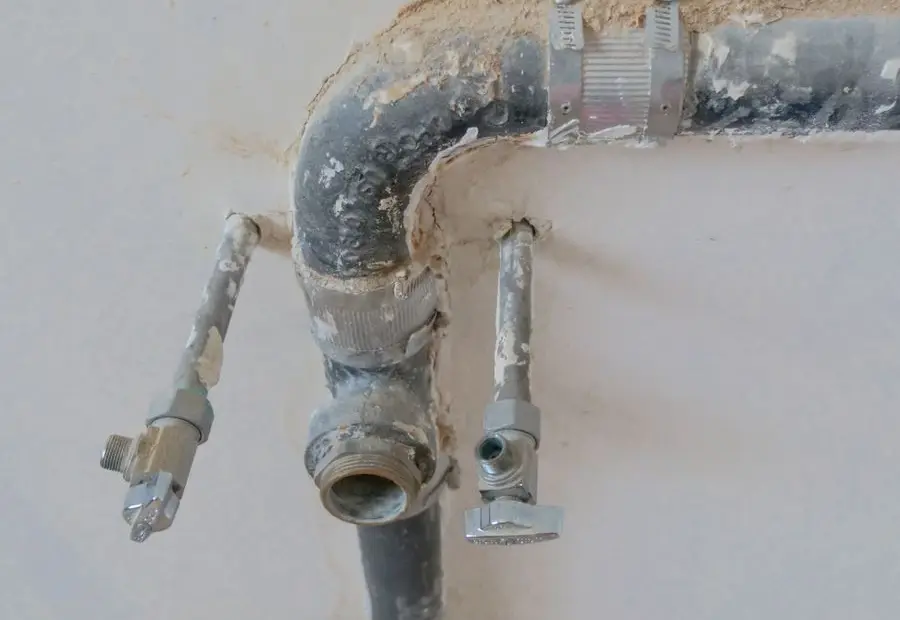
Two states of a line, side by side in one frame - drag your eye across the divider. On the left, the inside story of most repeat clogs: corrosion, scale and buildup narrowing the pipe year after year. On the right, pipework running clean and full-bore after proper cleaning. No chemicals poured in and hoped for - the material is physically removed.
 BeforeAfter
Before: Buildup, scale and corrosion narrow the line After: Full-bore flow, walls scoured clean
Illustrative stock photos of pipe conditions, not a specific customer job.
Can you handle it yourself first?
A plunger and a hand-crank drain snake are reasonable first tries on a single slow fixture, and enzyme-based maintenance cleaners are gentle enough for routine use. Chemical drain openers are a poor idea: they rarely clear a real clog, they sit in the pipe as a corrosive puddle, and they make the professional job afterwards more unpleasant and sometimes more dangerous. If two or more fixtures are slow at once, if water comes up in a tub when you flush, or if a clog keeps returning, skip the DIY stage - those are main-line or structural signs, and they need equipment a homeowner does not own.
Keeping it from coming back
- Keep cooking grease out of the kitchen line entirely: wipe pans into the trash and pour cooled grease into a container, never the sink.
- Fit simple hair catchers in showers and tubs and clear them weekly - the cheapest drain maintenance there is.
- Run hot water for 30 seconds after washing greasy dishes to move residue through while it is still soft.
- Only flush toilet paper. Wipes, even ones sold as flushable, are a leading cause of main-line blockages.
- Treat a slow drain as an early repair, not a personality trait of the house. Early cleaning is the low end of the price range.
Book drain cleaning with one call
Describe the problem, hear the likely range from a local independent contractor, and agree it before work begins.
(866) 555-0134 Tap to call nowA live person answers, day or night. Describe the problem, hear the likely range, then decide.
Related services
- Clogged Drain Repair - typical range $120-$550
- Main Line Cleaning - typical range $200-$650
- Sewer Line Cleaning - typical range $250-$900
- Hydro Jetting - typical range $300-$900
- Drain Camera Inspection - typical range $125-$500
- Kitchen Drain Cleaning - typical range $99-$400
Drain Cleaning in popular cities
- Drain Cleaning in New York, NY
- Drain Cleaning in Los Angeles, CA
- Drain Cleaning in Chicago, IL
- Drain Cleaning in Miami, FL
- Drain Cleaning in Houston, TX
- Drain Cleaning in Dallas, TX
- Drain Cleaning in Philadelphia, PA
- Drain Cleaning in Atlanta, GA
- Drain Cleaning in Washington, DC
- Drain Cleaning in Boston, MA
Questions, answered
How long does drain cleaning take?
A single fixture line usually takes 30-60 minutes once the technician is set up. A main line typically takes 1-2 hours. Lines that need a camera inspection or hydro jetting take longer, and your contractor can give you a time range on the call once you describe the problem.
Will cleaning damage my pipes?
Correctly sized cables and blades are designed to clean the inside of the pipe without harming it, and a professional matches the tool to the pipe material and age. Very old, corroded or already cracked pipe can be fragile, which is one reason a camera inspection is recommended when a line clogs repeatedly.
How often should drains be cleaned?
Most homes need a professional cleaning only when symptoms appear. Homes with large trees over the sewer line, older pipes, or a history of grease problems often benefit from a planned cleaning every 12-24 months, which is cheaper than emergency visits.
What if the clog comes back quickly?
Tell the contractor. A clog that returns within a few weeks usually means roots, scale, a sagging section or a partial break, and the right next step is a camera inspection to see the pipe rather than another blind cleaning.
Can you clean a drain the same day?
In most areas, yes - routine drain cleaning is one of the fastest services to schedule, and blocked drains that are backing up are treated as urgent. Call, describe the fixture and the symptoms, and you will hear the earliest realistic arrival window.