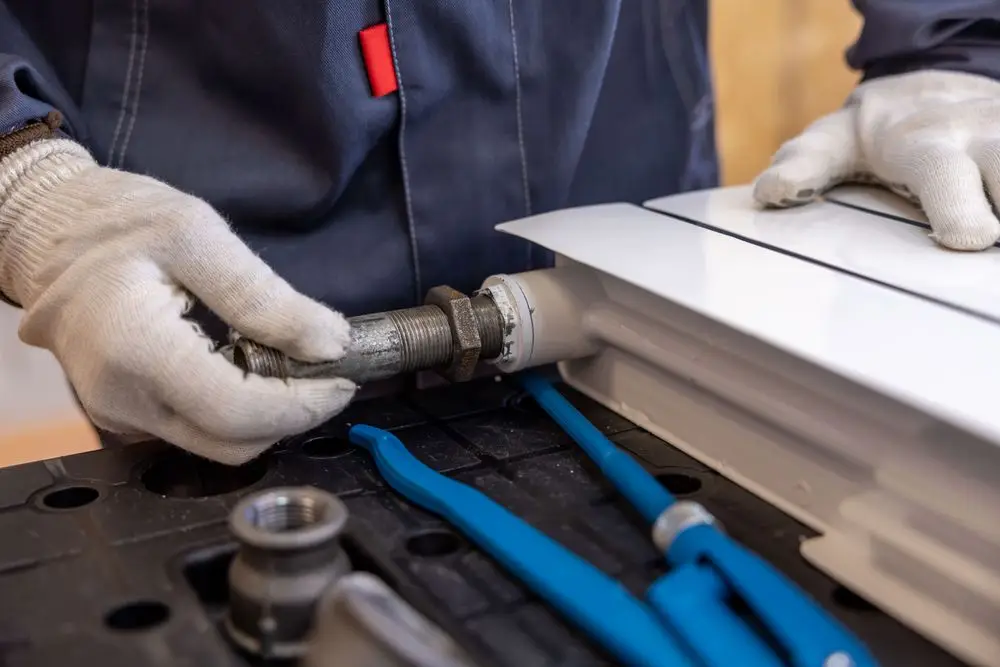
Typical range: $110-$450
Floor Drain Cleaning
Basement, laundry and garage floor drains: the house's safety valve, cleaned and trap-checked before it is needed in a flood.
A floor drain is the quiet insurance policy of a house. It sits in the basement, laundry room, garage or utility area, rarely used and easy to forget - until the day a water heater leaks, a washing machine hose bursts, or groundwater rises, and it is suddenly the only thing between you and a flooded floor. Floor drain cleaning clears the silt, lint and debris these drains collect precisely because they sit idle, and checks the trap that keeps sewer gas out of your home.
The irony of floor drains is that neglect creates both of their failure modes. A dry trap lets sewer odor into the house, which homeowners often chase for weeks as a mystery smell. A silted, clogged trap and line mean the drain fails on the one day it is actually needed, with water spreading across the floor it was built to protect. A short service visit covers both: clean the line, refill and check the trap, and confirm the drain actually drains.
Signs you need floor drain cleaning
Sewer odor in the basement or laundry room
The most common floor drain problem is a dry trap: the water seal has evaporated and sewer gas comes straight through.
The drain is slow when you test it with a bucket
A floor drain should swallow a bucket of water briskly. A lazy swirl means silt and debris are restricting it.
Water spreads across the floor near the drain during laundry
The washing machine discharges more than the restricted drain can take - a warning before a real flood event.
Visible silt, lint or debris in the drain bowl
What you can see at the grate is the top of what has been settling in the trap and line.
Drain flies in the basement
Organic sludge in an idle drain is prime habitat, and the flies point straight at it.
A history of water coming up through the floor drain
That is not the floor drain's fault - it is the main line telling you through its lowest opening. It needs main-line attention, not just a floor drain clean.
What causes it
Floor drains clog from below and dry out from above. From below: they are the low point of the system, so silt, sand, lint and anything washed toward them settles in their trap and the first feet of line. Laundry floor drains collect a particular cement of lint and detergent. Garage drains collect grit and oily residue. From above: a trap that is never replenished evaporates dry over months, breaking the water seal that blocks sewer gas, and the drain becomes a vent into the room.
There is also a misdiagnosis to avoid. Water rising OUT of a floor drain during heavy use elsewhere, or after heavy rain, is the main line or sewer surcharging - the floor drain is the messenger, not the culprit. Cleaning the floor drain alone will not fix that; the line beyond it needs the work. A good technician distinguishes the two quickly by testing, and will tell you plainly which problem you actually have.
How the work is done
1. Test the drain as found
A measured pour shows the current state: free-flowing, slow, or blocked, and whether the trap holds water at all.
2. Clean the bowl and trap
The grate comes off, settled material is removed, and the trap is cleaned through - the section where floor drain material actually accumulates.
3. Cable the line if it is restricted
A silted or lint-packed line beyond the trap is cabled and flushed until the drain takes a full, fast pour without hesitation.
4. Refill and seal the trap
The trap is refilled, and a small amount of mineral oil on top can slow evaporation in drains that are rarely used - a practical tip your technician may suggest.
5. Check for main-line signs
If the test suggests surcharging from beyond, you will be told, and the conversation moves to the main line with evidence rather than a sales pitch.
What floor drain cleaning costs
Floor drain cleaning typically runs $110-$450. Cleaning the bowl, trap and a short section of line sits low in the range. Cabling a longer restricted run, or a floor drain that turns out to be a main-line problem, moves the work up the range - and if the real job is the main line, your contractor should say so and price that job openly rather than billing a floor drain clean that cannot work.
When you call, mention whether the issue is odor, slow drainage, or water coming up. Those are three different jobs wearing the same drain cover, and the right one gets priced and equipped correctly from the start.
| Floor Drain Cleaning | Typical range: $110-$450 |
|---|
Before and after: what cleaning changes
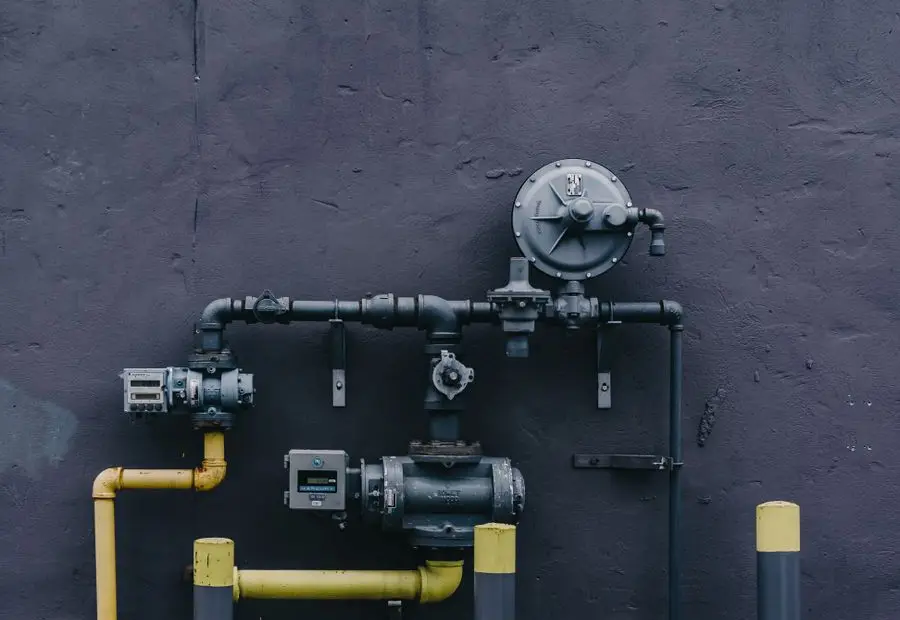
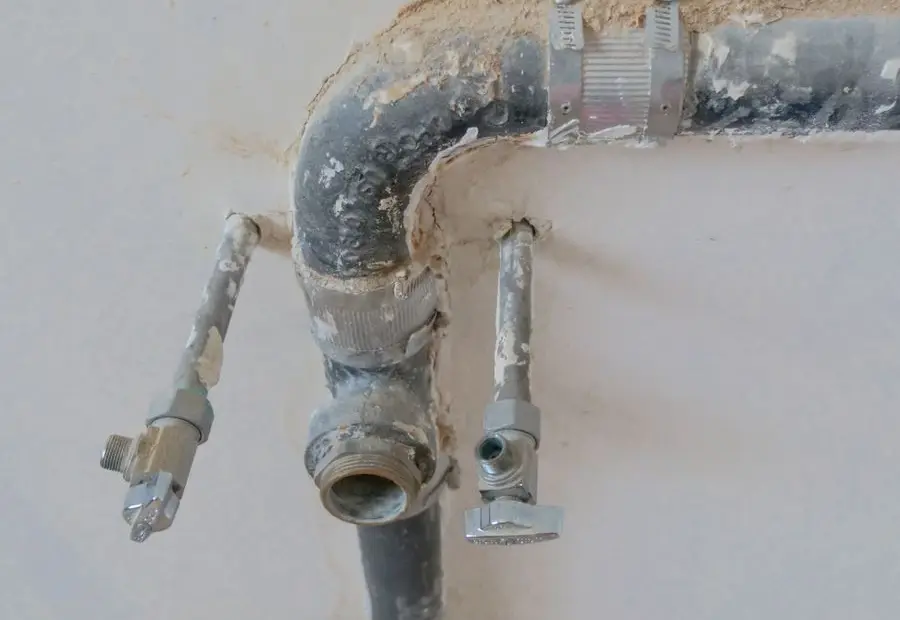
Two states of a line, side by side in one frame - drag your eye across the divider. On the left, the inside story of most repeat clogs: corrosion, scale and buildup narrowing the pipe year after year. On the right, pipework running clean and full-bore after proper cleaning. No chemicals poured in and hoped for - the material is physically removed.
 BeforeAfter
Before: Buildup, scale and corrosion narrow the line After: Full-bore flow, walls scoured clean
Illustrative stock photos of pipe conditions, not a specific customer job.
Can you handle it yourself first?
Do the two easy things yourself. First, pour a bucket of water into any floor drain every few months to keep the trap sealed - this alone prevents the most common problem, the dry-trap smell. Second, lift the grate and remove visible debris with gloves. If the drain is slow with a bucket test after that, or if water has ever come up out of it, that is beyond DIY: the restriction or the main line needs a professional look.
Keeping it from coming back
- Refill floor drain traps with water every few months; add a teaspoon of mineral oil to slow evaporation in rarely used drains.
- Fit and keep the grate in place - it is the filter that stops large debris reaching the trap.
- Keep laundry lint out where you can: a lint trap on the washing machine discharge hose helps the floor drain below it.
- Test the drain with a bucket once or twice a year, especially before the wet season - discover a problem on your schedule.
- Keep the area around the drain clear enough to reach it fast on the day it matters.
Book floor drain cleaning with one call
Describe the problem, hear the likely range from a local independent contractor, and agree it before work begins.
(866) 555-0134 Tap to call nowA live person answers, day or night. Describe the problem, hear the likely range, then decide.
Related services
- Drain Cleaning - typical range $99-$450
- Clogged Drain Repair - typical range $120-$550
- Main Line Cleaning - typical range $200-$650
- Sewer Line Cleaning - typical range $250-$900
- Hydro Jetting - typical range $300-$900
- Drain Camera Inspection - typical range $125-$500
Floor Drain Cleaning in popular cities
- Floor Drain Cleaning in New York, NY
- Floor Drain Cleaning in Los Angeles, CA
- Floor Drain Cleaning in Chicago, IL
- Floor Drain Cleaning in Miami, FL
- Floor Drain Cleaning in Houston, TX
- Floor Drain Cleaning in Dallas, TX
- Floor Drain Cleaning in Philadelphia, PA
- Floor Drain Cleaning in Atlanta, GA
- Floor Drain Cleaning in Washington, DC
- Floor Drain Cleaning in Boston, MA
Questions, answered
Why does my basement smell like sewer?
Most often, a floor drain trap has dried out, so there is no water seal between your basement and the sewer. Pour a bucket of water into the drain; if the smell clears within a day, that was it. If it persists, the drain or a vent needs professional attention.
Water came up through my floor drain. Is the drain clogged?
Probably not - the floor drain is the lowest opening, so a restricted main or sewer line pushes water out there first. That pattern needs main line cleaning and usually a camera look, and any contractor should tell you that rather than just cleaning the floor drain.
How often should a floor drain be serviced?
For most homes, a professional clean every few years plus your own trap refills in between is plenty. Laundry-heavy and older homes, or drains that have silted before, benefit from a check every 1-2 years.
Can a floor drain handle a burst pipe?
That is exactly what it is for - if it is clear. A maintained floor drain can carry away a serious leak; a silted one will let the same leak spread across the floor. This service exists to make sure yours is in the first category.
What is a trap primer and do I need one?
A trap primer is a small device that automatically adds water to a floor drain trap to keep it sealed. Many commercial buildings have them. For a home, scheduled bucket refills do the same job; ask your contractor if your drain dries unusually fast, because that can indicate a cracked trap worth repairing.