Typical range: $300-$900
Hydro Jetting
High-pressure water that scours pipe walls clean - the answer for grease, scale and lines that keep re-clogging after cabling.
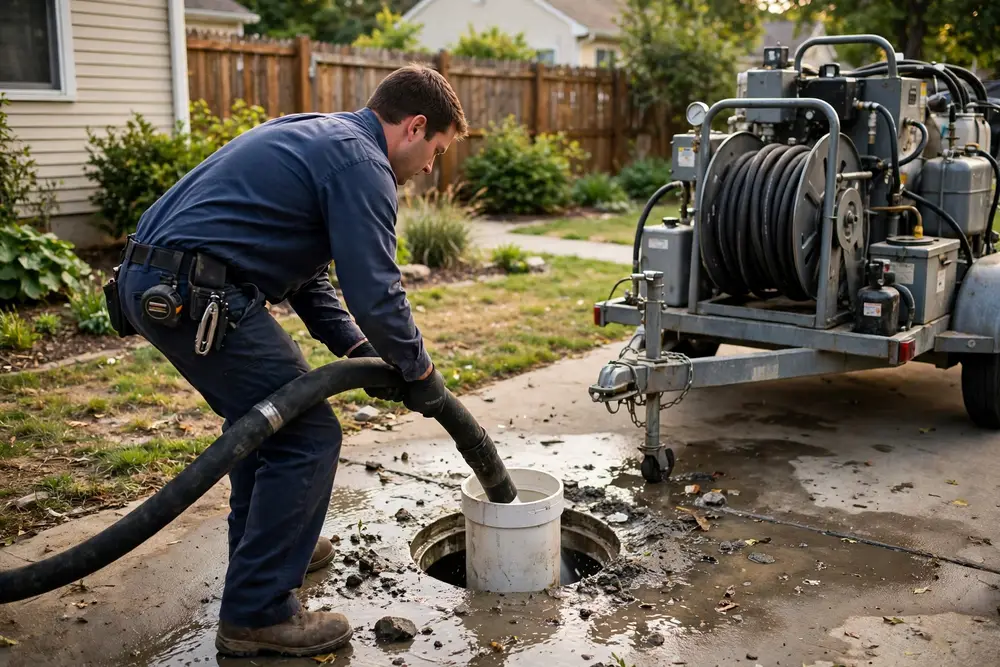
Hydro jetting cleans a drain line with water alone, delivered at pressures high enough to cut through grease, strip scale, flush out silt and scour the full inside wall of the pipe. Where a cable opens a path through a blockage, a jet restores the pipe close to its original diameter. That is why jetting is the service recommended when a line has been cabled before and clogged again - the cable dealt with the symptom, and the jet deals with what was left behind on the walls.
Jetting is specialist work. The nozzle is chosen for the job - descaling nozzles rotate chains or aggressive jets for hard buildup, penetrating nozzles cut through a blockage first, and flushing nozzles wash the debris out. In the hands of a trained operator it is the most thorough cleaning method available. In untrained hands, or in a pipe that is already cracked, that same pressure can do damage, which is why a reputable contractor will often camera the line first on older systems.
Signs you need hydro jetting
The same line clogs again after cabling
Buildup left on the walls is catching new debris. Jetting removes the layer itself instead of another hole through it.
A kitchen line heavy with grease
Grease coats the whole wall, not just one spot. Only scouring clears it properly.
Scale and rust narrowing an older line
Hard mineral and corrosion scale shrink the bore over years and need descaling force a cable cannot deliver.
A restaurant or food business line
Commercial kitchens load lines with grease daily and are typically maintained on a jetting schedule.
Silt or sand sitting in the line
Loose material in a low or flat section gets washed out by a jet where a cable just pushes it around.
A sewer line cleared of roots that needs finishing
After roots are cut, jetting washes the fragments and debris fully out of the line.
What causes it
Jetting exists because of how buildup actually forms. Grease does not block a pipe in one lump; it coats the wall in layers, narrowing the passage over months until a normal day's use closes it. Scale does the same in hard-water areas and older metal pipe. A cable is a cutting tool - it bores through the middle of that coating and the line drains again, but the coating remains and the narrowing continues. Water at jetting pressure is a scouring tool: it strips the coating off the wall and carries it away, resetting the pipe to a genuinely clean state.
There are limits. Jetting cannot repair a crack, a collapsed section, or a sagging belly, and it should not be the first move on a fragile line nobody has looked inside. The professional sequence for a problem line is usually camera, then the right cleaning method, then camera again to prove the result. If a contractor proposes jetting a very old line, asking whether they will inspect it first is a fair and sensible question.
How the work is done
1. Inspect or assess the line
On older or unknown pipe, a camera look or a careful test run establishes that the pipe can take jetting pressure.
2. Clear a path if the line is fully blocked
A completely packed line is sometimes opened with a cable first so the jet can work and the water has somewhere to go.
3. Jet from the cleanout, downstream to upstream
The nozzle pulls itself through the line with rear jets and washes debris back to the access point, cleaning the full wall circumference.
4. Work the line in passes
Heavy grease or scale takes several slow passes. The operator reads the returning water - when it runs clear and free, the wall is clean.
5. Verify and advise
A final flush, and often a camera pass, confirms the result. You should hear whether the pipe itself is sound and how to keep it that way.
What hydro jetting costs
Hydro jetting typically runs $300-$900. Residential lines in reasonable condition sit at the lower half; long runs, heavy descaling, difficult access and commercial lines sit higher. It costs more than a basic cable cleaning because the equipment, water volume and time involved are greater - and because it is bought less often: a properly jetted line usually stays clear far longer, which is the honest comparison to make.
Ask on the call whether jetting is likely for your situation. If your line has clogged once, a cable may be the sensible spend. If it has clogged repeatedly, or it is a grease line, jetting is usually the better value even at the higher upfront range.
| Hydro Jetting | Typical range: $300-$900 |
|---|
Before and after: what cleaning changes
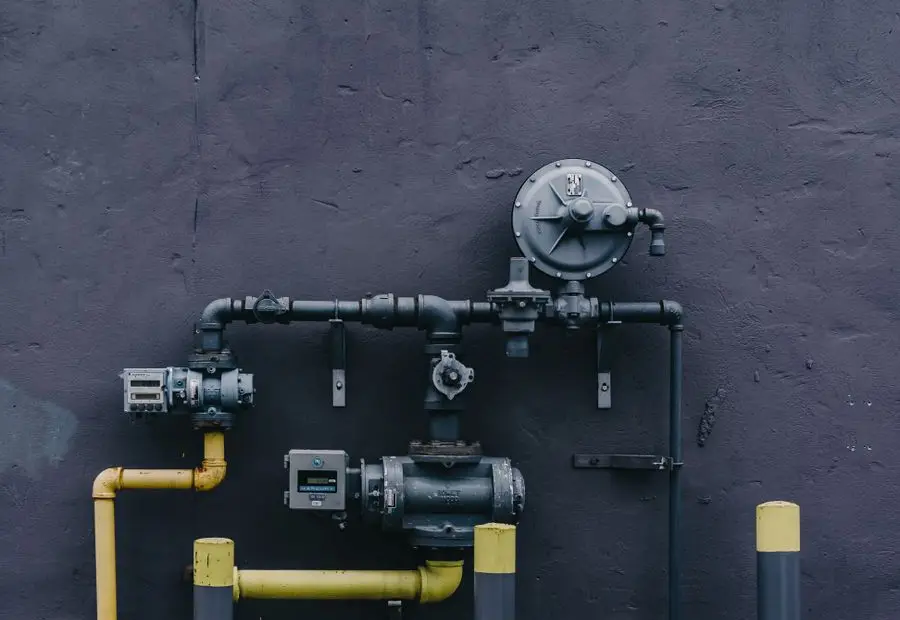
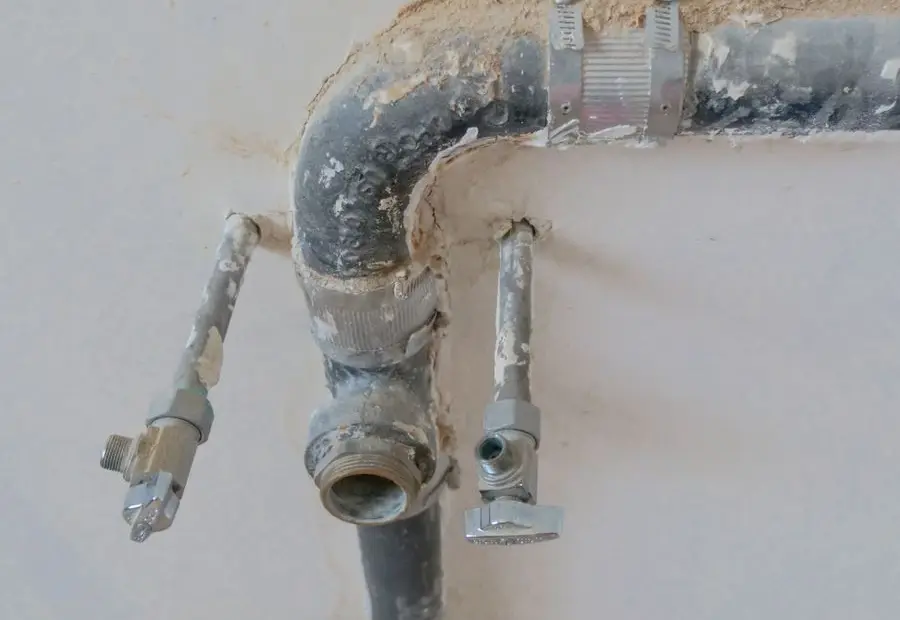
Two states of a line, side by side in one frame - drag your eye across the divider. On the left, the inside story of most repeat clogs: corrosion, scale and buildup narrowing the pipe year after year. On the right, pipework running clean and full-bore after proper cleaning. No chemicals poured in and hoped for - the material is physically removed.
 BeforeAfter
Before: Buildup, scale and corrosion narrow the line After: Full-bore flow, walls scoured clean
Illustrative stock photos of pipe conditions, not a specific customer job.
Can you handle it yourself first?
There is no household version of hydro jetting. Garden-hose drain attachments and the small jetting kits sold for home pressure washers do not produce the flow, pressure control or nozzle behaviour of professional equipment, and a pressure washer jet forced against a blockage in an old pipe can crack it or flood the room through the nearest fixture. Keep DIY to prevention: grease discipline in the kitchen does more for a grease line than any tool you can rent.
Keeping it from coming back
- After jetting, the pipe is as clean as it will ever be - new habits from that point genuinely delay the next buildup.
- Grease discipline: wipe and bin cooking grease rather than washing it into the line, even with hot water.
- For food businesses and heavy-use kitchens, ask about a scheduled jetting interval instead of waiting for a blockage during service.
- In hard-water areas, ask whether scale was the main finding; it sets realistic expectations for how often descaling will be needed.
- Keep the camera findings from the visit - they are the baseline for judging the line's condition next time.
Book hydro jetting with one call
Describe the problem, hear the likely range from a local independent contractor, and agree it before work begins.
(866) 555-0134 Tap to call nowA live person answers, day or night. Describe the problem, hear the likely range, then decide.
Related services
- Drain Cleaning - typical range $99-$450
- Clogged Drain Repair - typical range $120-$550
- Main Line Cleaning - typical range $200-$650
- Sewer Line Cleaning - typical range $250-$900
- Drain Camera Inspection - typical range $125-$500
- Kitchen Drain Cleaning - typical range $99-$400
Hydro Jetting in popular cities
Questions, answered
Is hydro jetting better than snaking?
They do different jobs. A cable is best for opening a blockage and retrieving objects or roots. Jetting is best for removing the buildup coating the walls - grease, scale and silt. Repeat clogs and grease lines point to jetting; a single sudden clog usually points to a cable first.
Can jetting damage my pipes?
In sound pipe, professional jetting is safe and is used on everything from home drains to municipal sewers. In pipe that is cracked, crushed or severely corroded, pressure can worsen the damage, which is why assessment or a camera inspection comes first on older lines.
How long does jetting take?
A typical residential line takes 1-2 hours including setup. Heavily scaled or greased lines, and longer commercial runs, take longer because the operator works in slow passes until the returning water runs clear.
How long will the line stay clear afterwards?
Much longer than after cabling alone, because the wall coating that catches debris is gone. Exact intervals depend on what goes down the line - a careful household may not need it again for years, while a restaurant line is usually maintained on a fixed schedule.
Do I need jetting if a camera shows roots?
Roots are cut out first with a cable and cutter head. Jetting afterwards washes the cuttings and debris out of the line and cleans the joints, so the two services are often combined on root jobs.