Typical range: $200-$650
Main Line Cleaning
When every drain in the house slows at once, the problem is the main line. Heavier cables, bigger blades, full-bore cleaning.
Every drain in your home eventually joins one pipe: the main line that carries all wastewater out to the city sewer or your septic system. When that line restricts, the whole house feels it at once. Main line cleaning is the heavy-duty version of drain cleaning - larger cables, cutter heads sized to the full diameter of the pipe, and, when needed, hydro jetting - because a partial job on the main line just moves the backup a few weeks into the future.
The main line is also the line where waiting is most expensive. A restriction here does not just slow a sink; it can push sewage back into the lowest fixtures in the house - the basement shower, the floor drain, the downstairs toilet. If you are seeing whole-house symptoms, treat it as urgent even if things are still, technically, draining.
Signs you need main line cleaning
Several drains slow at the same time
The single most reliable main-line sign. Individual clogs do not synchronise; a shared restriction does.
Water rises in a low fixture when you use water elsewhere
Laundry drainage appearing in a shower, or a flush filling a floor drain, means wastewater is stacking up in the main.
Gurgling throughout the house
Toilets bubbling and drains glugging in multiple rooms point to air being pushed around by a downstream blockage.
Sewage odor in the basement
Wastewater sitting in the main line vents its smell at the lowest, weakest points in the system.
A floor drain that has overflowed before
An overflow stain or a history of basement backups means the main has already failed once at full load.
Backups after heavy rain
Some older lines take in groundwater through damaged joints, and the extra volume overwhelms a restricted line.
What causes it
Tree roots are the leading cause of main-line trouble in established neighbourhoods. A root hair finds moisture at a pipe joint, grows inside, and becomes a net. Next is scale and corrosion in older metal pipe, which narrows the bore and roughens the wall. Grease contributes in homes where the kitchen line joins the main early. And in some homes the cause is the pipe itself: a sagging belly that permanently holds water and solids, an offset joint, or a section damaged by ground movement.
Cleaning addresses the first three causes directly. Roots are cut back to the pipe wall, scale is scraped, grease is jetted away. A belly or a displaced joint cannot be cleaned into correctness, and a professional should tell you plainly if that is what the camera shows - in that case cleaning is a holding measure and the real conversation is about repair options.
How the work is done
1. Locate the main cleanout
Most homes have a main cleanout in the basement, crawl space, or yard. Working through it gives the cable a straight run at the full line.
2. Run a full-size cutter
The cable head is matched to the pipe diameter so the walls are actually cleaned, not just pierced. Roots and scale come back out on the head where you can see them.
3. Jet when the line needs scouring
Grease-heavy or long runs often finish better with hydro jetting, which washes the debris all the way out instead of leaving it in the line.
4. Camera check on repeat or root jobs
After clearing, a camera run confirms the line is open, shows joint condition, and catches a belly or break while the equipment is still on site.
5. Flow-test the whole house
Toilets are flushed and taps run together to load the line and prove it carries a full house worth of water.
What main line cleaning costs
Main line cleaning typically runs $200-$650 depending on access, line length, whether roots or heavy scale are involved, and whether a camera inspection is included. A straightforward cable cleaning through a good cleanout sits low in the range; root cutting plus jetting plus camera sits higher. It is still far cheaper than the alternative it prevents: a full sewage backup with cleanup and floor damage.
On the call, say clearly that several fixtures are affected - that one detail tells the contractor to bring main-line equipment and to price the right job, instead of a sink machine that cannot touch the problem.
| Main Line Cleaning | Typical range: $200-$650 |
|---|
Before and after: what cleaning changes
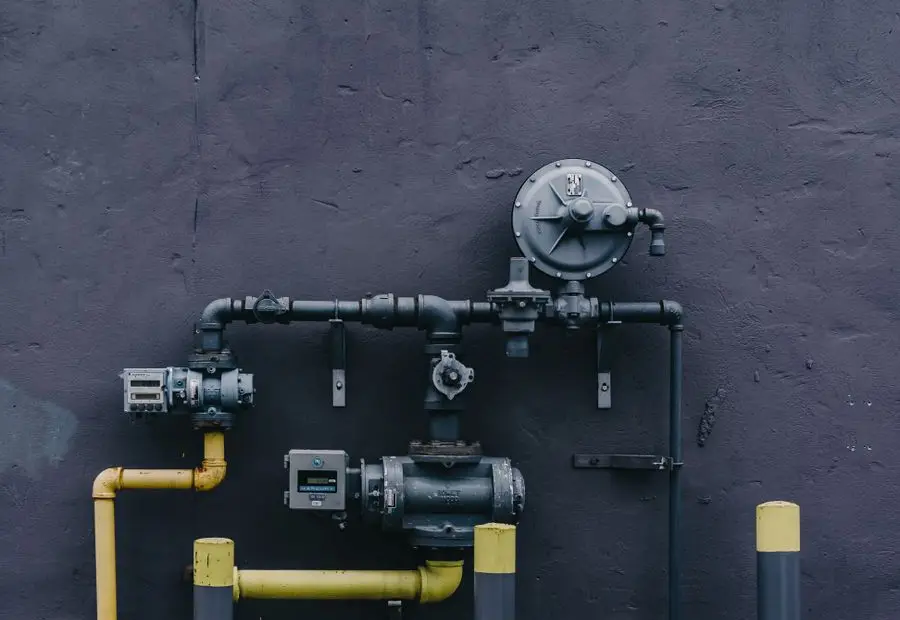
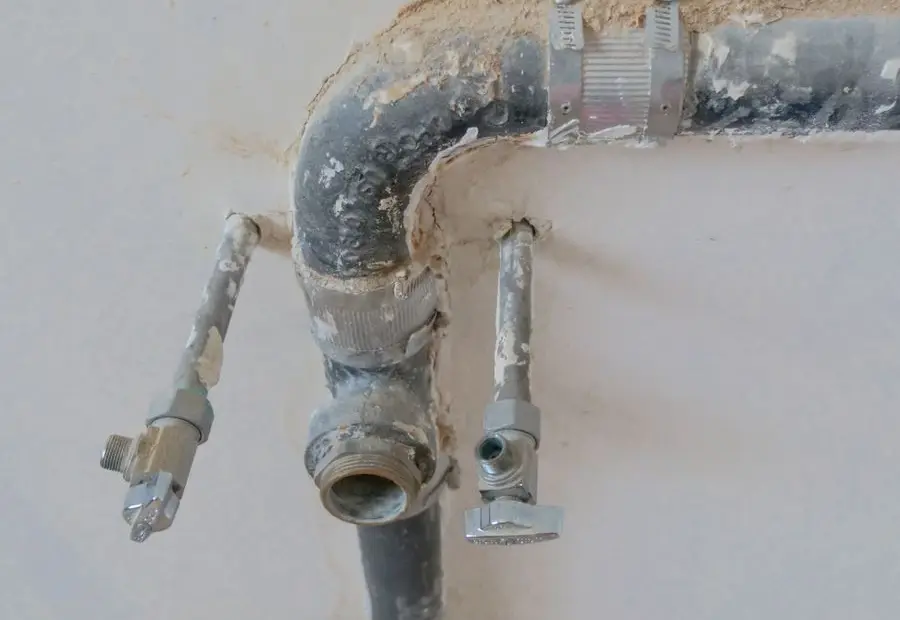
Two states of a line, side by side in one frame - drag your eye across the divider. On the left, the inside story of most repeat clogs: corrosion, scale and buildup narrowing the pipe year after year. On the right, pipework running clean and full-bore after proper cleaning. No chemicals poured in and hoped for - the material is physically removed.
 BeforeAfter
Before: Buildup, scale and corrosion narrow the line After: Full-bore flow, walls scoured clean
Illustrative stock photos of pipe conditions, not a specific customer job.
The cable at work
A main line is cleared by a machine like this one: a powered reel feeding a steel cable with a cutting head, worked through the line from a cleanout. The operator reads the cable the way you would read a rope in your hands - roots, grease and a break all feel different - and that feel is most of the diagnosis before any camera goes in. Stock footage from Pexels, shown to illustrate the equipment, not a specific job.
Can you handle it yourself first?
Main lines are not a DIY job. The cables involved are powerful enough to injure an untrained operator, rental machines rarely carry the right cutter heads, and a partial DIY clearing often compacts a root blockage tighter. What you can do is limit the damage: stop running water, do not use chemical openers (they will sit in the backed-up line), and keep people and belongings away from any fixture that might overflow.
Keeping it from coming back
- If roots were found, put the line on a planned cleaning cycle instead of waiting for the next backup - planned visits cost less than emergency ones.
- Ask where your main cleanout is and keep it accessible; buried or blocked cleanouts add time and cost to every visit.
- Never treat the toilet as a bin: wipes, hygiene products and paper towels are main-line clog material.
- If your line has a known belly or offset, ask for the honest lifespan view so you can budget a repair on your schedule, not the sewer's.
- Before buying a home with big trees and older pipes, a camera inspection of the main line is money well spent.
Book main line cleaning with one call
Describe the problem, hear the likely range from a local independent contractor, and agree it before work begins.
(866) 555-0134 Tap to call nowA live person answers, day or night. Describe the problem, hear the likely range, then decide.
Related services
- Drain Cleaning - typical range $99-$450
- Clogged Drain Repair - typical range $120-$550
- Sewer Line Cleaning - typical range $250-$900
- Hydro Jetting - typical range $300-$900
- Drain Camera Inspection - typical range $125-$500
- Kitchen Drain Cleaning - typical range $99-$400
Main Line Cleaning in popular cities
- Main Line Cleaning in New York, NY
- Main Line Cleaning in Los Angeles, CA
- Main Line Cleaning in Chicago, IL
- Main Line Cleaning in Miami, FL
- Main Line Cleaning in Houston, TX
- Main Line Cleaning in Dallas, TX
- Main Line Cleaning in Philadelphia, PA
- Main Line Cleaning in Atlanta, GA
- Main Line Cleaning in Washington, DC
- Main Line Cleaning in Boston, MA
Questions, answered
How do I know it is the main line and not one drain?
Count the fixtures. One slow fixture is a local clog. Two or more fixtures misbehaving together, especially with water appearing in a low tub, shower or floor drain, is the main line until proven otherwise.
How long does main line cleaning take?
Most jobs take 1-3 hours depending on line length, access and what is in the pipe. Root-heavy lines and lines that also get a camera inspection take the longer end of that range.
Will cleaning fix a root problem for good?
Cleaning removes the roots inside the pipe and restores full flow, but roots can regrow through the same joints over time. The camera check after cleaning shows how open the joints are, which tells you whether periodic cleaning is a sensible plan or a repair makes more sense.
What happens if the line is broken, not just blocked?
The contractor should show you the camera footage, explain the options - usually a spot repair of the failed section, or lining or replacing a longer run - and give a price range for each before you decide.
Is a main line backup dangerous?
Sewage water is a health hazard and can damage flooring and walls quickly. Stop using water, keep children and pets away from affected areas, and get the line cleared promptly.