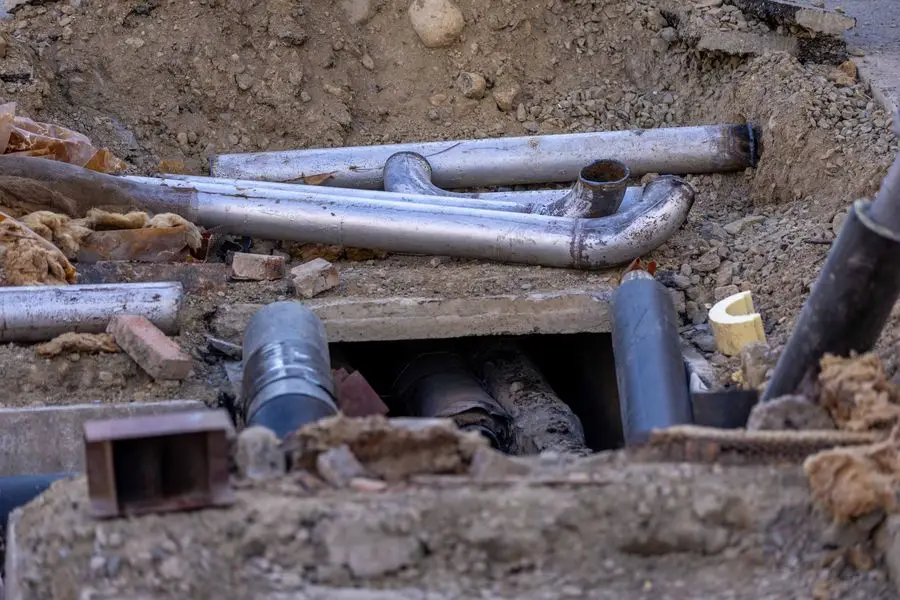
Drain cleaning in Eugene, OR - Lane County - 6 ZIP codes covered
Drain Cleaning in Eugene, OR
Drain trouble in Eugene follows the city's own pattern, a city whose housing centres on 1980, with drain lines to match. DrainFlowed connects Eugene homeowners with independent local contractors across 6 ZIP codes in Lane County: describe the problem, hear the likely price range, and agree it before work begins. Coverage here is woven into the neighbouring towns: Springfield and Salem sit on the same rounds, with the same ranges applying.
Coverage here is counted plainly: 6 ZIP codes in and around Eugene, one of 11 Oregon cities in this rollout, sitting at number 2 in the state list. The cluster matters in practice: a crew finishing in Springfield can be in Eugene without a depot run, and Salem is covered the same way.
What Eugene homeowners actually call about
Of the six classic drain symptoms, these are the ones this city's stock and climate generate most often. Each opens a full guide. The working map here joins Eugene to Springfield and Salem; one network, one set of ranges, three towns' worth of shared drain knowledge.
Slow Drain
A sink that lingers or a shower that pools is describing a pipe that is closing. in a city where the median home dates to 1980, clearing it now is a short visit; clearing it after the line seals is a longer one. The narrowing is usually a coating, hair bound with soap at a bathroom branch, grease at a kitchen one, building in rings until the bore is a fraction of itself. It is, in Eugene, the version of the problem worth ruling out first.
Gurgling Drains
Noises from drains are pressure signals. in a city where the median home dates to 1980, a line that gurgles is a line asking for capacity back, and it asks early enough to matter. The vent system and the drain system share the work of moving air; when a drain restricts, the air takes the path through the nearest trap and makes the noise you hear. In this city, that pattern is where an honest assessment begins.
Standing Water
Water standing in a fixture after use means the line below it is nearly shut. in a city where the median home dates to 1980, this is the last polite stage before a complete blockage, and it responds to a straightforward cleaning. The fixture delivers water faster than the branch can take it, and the difference ponds in the tray or the basin until the branch catches up. In this city, that pattern is where an honest assessment begins.
Multiple Drains Backing Up
Several fixtures failing together means the problem sits downstream of all of them, in the main or the sewer. in a city where the median home dates to 1980, that pattern is urgent: stop adding water, because every gallon in is a gallon looking for the lowest way out. A main that has blocked once from roots or a collapse will do so again on its own schedule until the cause is cut out or repaired. For Eugene homes, the sensible first move is diagnosis matched to that pattern.
The sky's share of Eugene drain trouble
Climate loads a drainage system before any house does, and Eugene's load starts with roughly 49.2 inches of precipitation a year. Count the storm days, roughly 7.1 a year at an inch or more of rain, and you have counted the days Eugene sewers work hardest and fail most visibly.
Cold is the other force: about 53 nights a year drop to freezing or below. Shallow or sluggish sections can freeze at a belly, and freeze-thaw movement works on old joints winter after winter, so a line that slows as temperatures fall deserves attention before the cold sets in properly.
For a homeowner, the use of these numbers is simple: they say which season will test your line, and therefore which season not to book it in.
Eugene's housing stock, read through its drains
In the Census figures, 1980 is the year at the centre of Eugene's housing stock. The middle band, 1960 to 1979, holds roughly 31% of homes. Late cast iron and early plastic share that band, and both are now old enough to narrow, crack or separate at joints. Around 20% of Eugene homes predate 1960, which means a large minority of its drains are old enough to have grandchildren. Joints open, walls scale, and roots move in.
In total the Census counts about 80,856 housing units in Eugene, each one a small system of branches feeding a main. This century has added roughly 26% of the housing. Contractors feel the contrast daily: jetting a new line clear in minutes, then cabling a sixty-year-old one with care.
Coverage here is woven into the neighbouring towns: Springfield and Salem sit on the same rounds, with the same ranges applying.
Drain services available in Eugene
Matched to the problems above: the services Eugene contractors reach for most, with the national ranges that apply site-wide. Homeowners in Springfield and Salem work from the same contractor pool as Eugene, which keeps the local knowledge shared across the cluster.
- Drain Cleaning - $99-$450
- Clogged Drain Service - $120-$550
- Main Drain Cleaning - $200-$650
- Sewer Line Cleaning - $250-$900
- Sewer Camera Inspection - $125-$500
- Floor Drain Cleaning - $110-$450
Every service has a full page of its own, with signs, causes and process, on the services hub. Every range on this site is collected in the cost guide.
About Eugene: the local snapshot
Eugene is a city in and the county seat of Lane County, Oregon, United States.
Eugene is the county seat of Lane County, and the snapshot below keeps the city itself separate from the wider coverage area around it.
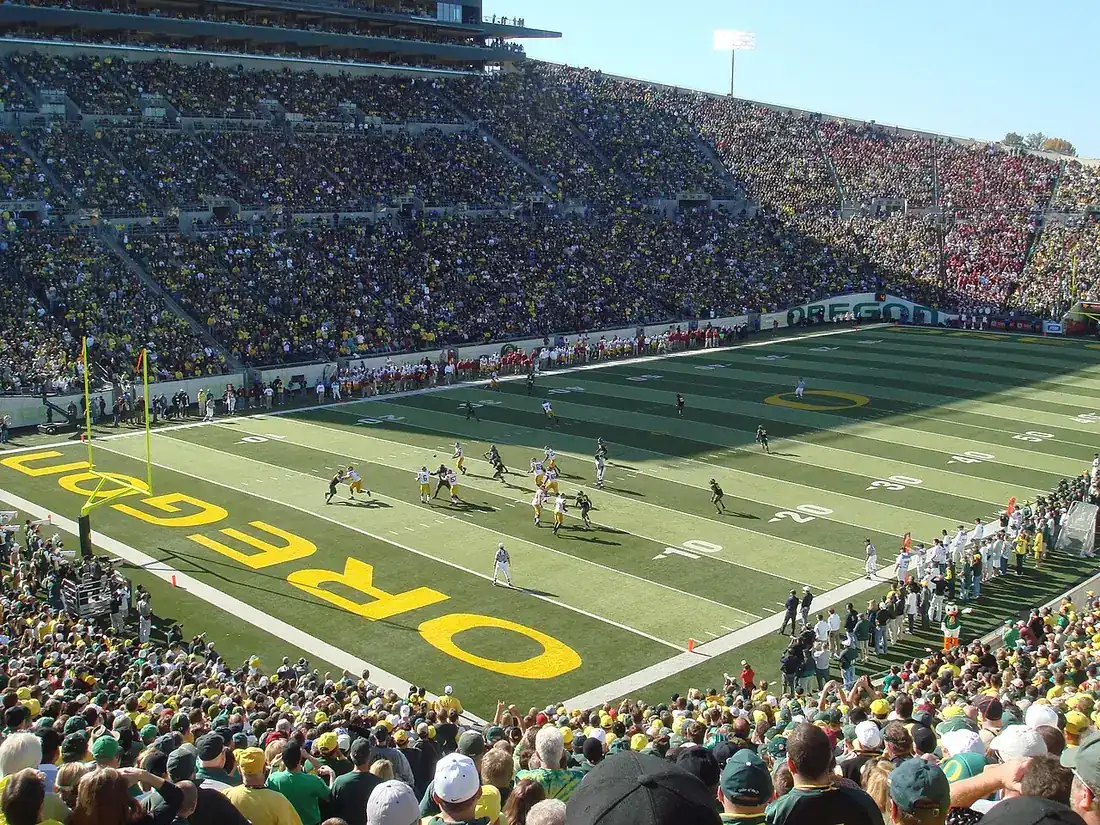
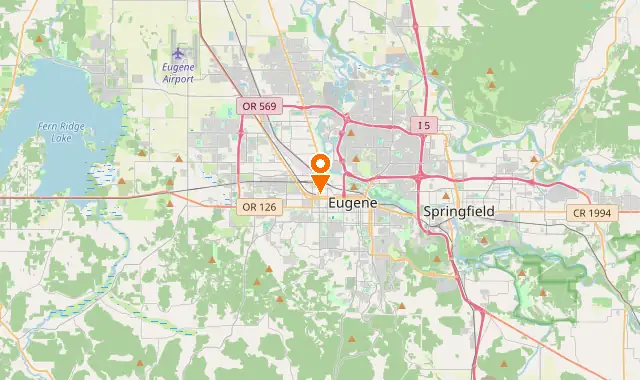
Local facts from Wikipedia and Wikidata, retrieved 2026-10-25. Population and area describe the city itself; the drain coverage counted on this page spans the wider area around it.
The money side in Eugene
Ranges in Eugene are the national ranges used across this site, because they describe the work rather than the postcode: standard cleaning $99-$450, main line cleaning $200-$650, hydro jetting $300-$900, camera inspection $125-$500. Where a job lands inside its range turns on access, line length and cause, and the contractor firms that up on the call.
Within a band, the honest variables are access, distance and cause, and all three can be estimated from a good description before a wheel turns. If a job changes character on site, a collapsed section behind a simple clog, for example, the honest pattern is evidence first and a new range agreed before further work.
Before the contractor arrives in Eugene
The difference between a ninety-minute visit and a forty-minute one is usually preparation, and it is the homeowner's to give: Calls from Springfield, Salem and Eugene itself land with the same local network, so patterns spotted in one town inform the next.
- Clear the area under the sink or around the cleanout
- Stop adding water to any fixture that is backing up
- Move pets and belongings out of the work area
- Keep children and pets away from any sewage-affected area
- Think about where your cleanout is, if you know
Eugene coverage snapshot
Nearby covered cities: Springfield, Salem, Medford, Bend.
Coverage around Eugene
Nearby cities we cover in Oregon
- Drain cleaning in Springfield, OR
- Drain cleaning in Salem, OR
- Drain cleaning in Medford, OR
- Drain cleaning in Bend, OR
- Drain cleaning in Gresham, OR
- Drain cleaning in Hillsboro, OR
- Drain cleaning in Beaverton, OR
- Drain cleaning in Portland, OR
The full list for the state is on the Oregon locations page.
Questions, answered
How much does drain cleaning cost in Eugene?
The bands that apply in Eugene: $99-$450 for standard cleaning, $200-$650 for a main line, $300-$900 for hydro jetting. Where your job sits inside its band is a question of access and cause, settled on the call before anyone drives out. A second visit for the same line costs more across a year than the camera that would have settled it once, which is why recurring work is quoted differently from first-time work. Access is the swing factor most often: a cleanout that opens saves time on every visit that follows too.
Why do my drains slow down when it rains in Eugene?
Rain raises the water in the soil, and soil water enters any line whose joints have opened. With about 7.1 heavy rain days a year in Eugene, the pattern is common enough to have a name among contractors: infiltration. The symptom is weather-shaped; the cause is a joint, and it can be located. The same joints that admit groundwater also leak sewage out in dry weather, which is why a rain-shaped symptom deserves fixing rather than merely timing around. Note whether the slowness follows rain by hours or by days; that timing is diagnostic and worth telling the contractor.
Why do older Eugene homes clog more?
Older pipes clog for structural reasons on top of household ones. Eugene's median home dates to 1980, and lines from that era carry narrower bores, rougher walls and joints that roots can enter. The fix starts with seeing which of those is yours. The age shows in repair economics too, since a line near the end of its material life changes what a sensible fix is worth spending on. None of this makes old pipes a liability to fear, only a system to manage on evidence rather than on surprises.
Can drains freeze in Eugene?
It happens to exposed or shallow sections. Eugene averages about 53 freezing nights a year, and a slow section that holds water is the candidate. Keep water moving on the coldest nights and deal with known slow lines in autumn. Keeping a trickle moving through a vulnerable fixture on the coldest nights is old advice because it works on exactly this mechanism. A section that has frozen once has identified itself; it belongs on the pre-winter list permanently.
What should I check before the contractor starts work in Eugene?
Two things: the contractor's license number and proof of insurance, both checkable with the state board, and a clear statement that the agreed range covers the job as you described it. Reputable contractors expect both questions. Insurance is the quiet half of the question: it is what stands behind the work if a fitting fails or a line is damaged in the digging. Both questions take under a minute, and the answers shape everything that follows.
Housing figures: US Census Bureau ACS (ACS 2024 5-year estimates via Census Reporter). Weather averages: Open-Meteo archive (ERA5), 2014-2023.
Drain problem in Eugene? Make the call
One call connects you with an independent local contractor. Describe the problem, hear the range, verify the pro, then let the work happen.
(866) 555-0134 Tap to call nowA live person answers, day or night. Describe the problem, hear the likely range, then decide.