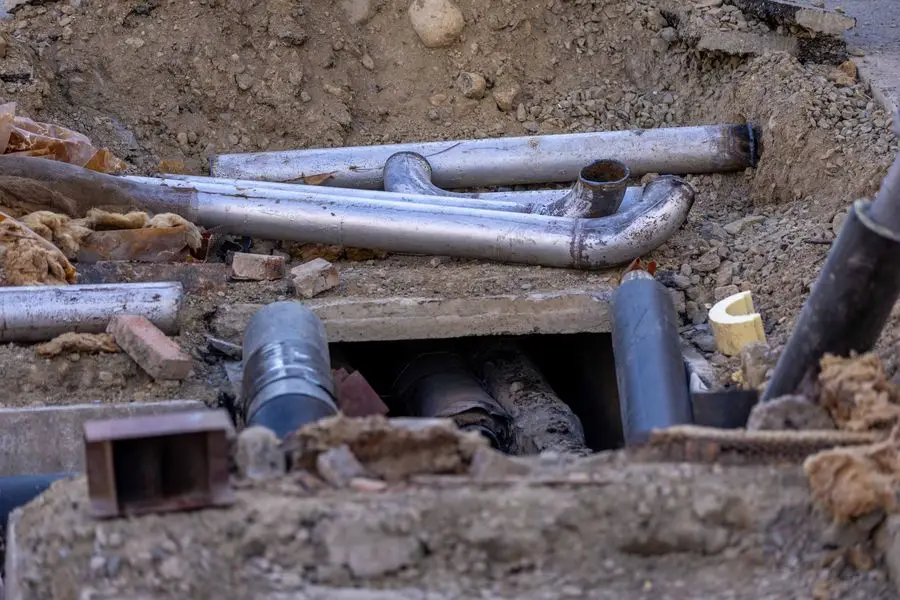
Drain cleaning in Baton Rouge, LA - East Baton Rouge County - 42 ZIP codes covered
Drain Cleaning in Baton Rouge, LA
Every city drains differently, and Baton Rouge is whose housing stock centres on a 1976 median build year. DrainFlowed matches homeowners here with independent contractors who clean branch lines, mains and sewers across 42 ZIP codes in and around East Baton Rouge County, with the price range agreed on the call first. Coverage here is woven into the neighbouring towns: Shreveport and Lafayette sit on the same rounds, with the same ranges applying.
Coverage here is counted plainly: 42 ZIP codes in and around Baton Rouge, one of 13 Louisiana cities in this rollout, sitting at number 2 in the state list. The contractor rounds that serve Baton Rouge also reach Shreveport and Lafayette, so the same crews read the same ground across this cluster.
The drain problems that matter in Baton Rouge
Six symptoms cover nearly all drain trouble; these are the ones Baton Rouge's data supports as its leads. The working map here joins Baton Rouge to Shreveport and Lafayette; one network, one set of ranges, three towns' worth of shared drain knowledge.
Multiple Drains Backing Up
Backups speak in plural: several fixtures, one cause, downstream. across East Baton Rouge County's mix of housing, the main or the sewer is full or obstructed, and the visit that matters is the one with the heavy cable and the camera. Floor drains and low tubs are the relief valves of the system, which is why they are where a main line problem becomes visible indoors. It is, in Baton Rouge, the version of the problem worth ruling out first.
Slow Drain
Slow drainage is where most calls begin. One fixture hesitates, then two. across East Baton Rouge County's mix of housing, the cause is almost always a bore narrowing from the wall inward, and the fix at this stage is a cleaning, not a project. Branch lines narrow from the wall inward, and the fixture at the end reports it first because it has the least head of water behind it. In this city, that pattern is where an honest assessment begins.
Standing Water
Standing water is a drain asking early. across East Baton Rouge County's mix of housing, a fixture that holds water is telling you the branch beyond it has narrowed to a slit, and the clearing that fixes it now is a fraction of the backup it becomes later. The fixture delivers water faster than the branch can take it, and the difference ponds in the tray or the basin until the branch catches up. In Baton Rouge, that is the pattern the call should start from.
Drain Odors
Sewer odor indoors has a short list of causes: a dry or failed trap, buildup fermenting in a slow line, or a vent problem. across East Baton Rouge County's mix of housing, each has a distinct fix, and guessing wrong is why the smell outlives the air freshener. Biofilm on a branch wall ferments steadily and smells worst in warm rooms, which is why the complaint tracks bathrooms and kitchens. In this city, that pattern is where an honest assessment begins.
Rain, cold and Baton Rouge's sewers
On the evidence of the last decade's daily records, Baton Rouge receives roughly 60.7 inches of precipitation annually. An inch or more of rain falls on about 13.6 days a year. Saturated ground raises the water around buried pipes, and any joint that has opened becomes a two-way door.
Only around 6 nights a year touch freezing. Nothing underground gets a winter rest, and root growth in warm, moist soil continues almost year-round.
The weather case for acting early is written in these averages: the load is seasonal, and the season is predictable.
Housing age and Baton Rouge's pipes
Drain work follows housing age more than any other single fact, and Baton Rouge's median build year is 1976. Another 36% went up between 1960 and 1979, the decades when cast iron gave way to early plastics, so Baton Rouge sewers are a layered mix of eras rather than one system. Pre-1960 construction is 22% of the stock. In drain terms that is the high-maintenance segment: clay and iron, hand-set joints, and decades of root pressure.
In total the Census counts about 106,712 housing units in Baton Rouge, each one a small system of branches feeding a main. About 19% of the stock is post-2000 construction, which is why Baton Rouge drain calls split between old-line failures in the established neighbourhoods and simple blockages in the new ones.
The working map here joins Baton Rouge to Shreveport and Lafayette; one network, one set of ranges, three towns' worth of shared drain knowledge.
Drain services available in Baton Rouge
These are the services that answer Baton Rouge's lead problems, offered by the independent contractors who cover the city. The full eleven-service list is on the services hub. Homeowners in Shreveport and Lafayette work from the same contractor pool as Baton Rouge, which keeps the local knowledge shared across the cluster.
- Drain Cleaning - $99-$450
- Clogged Drain Service - $120-$550
- Main Drain Cleaning - $200-$650
- Sewer Line Cleaning - $250-$900
- Floor Drain Cleaning - $110-$450
- Emergency Drain Cleaning Service - $150-$700
Every service has a full page of its own, with signs, causes and process, on the services hub. Every range on this site is collected in the cost guide.
About Baton Rouge: the local snapshot
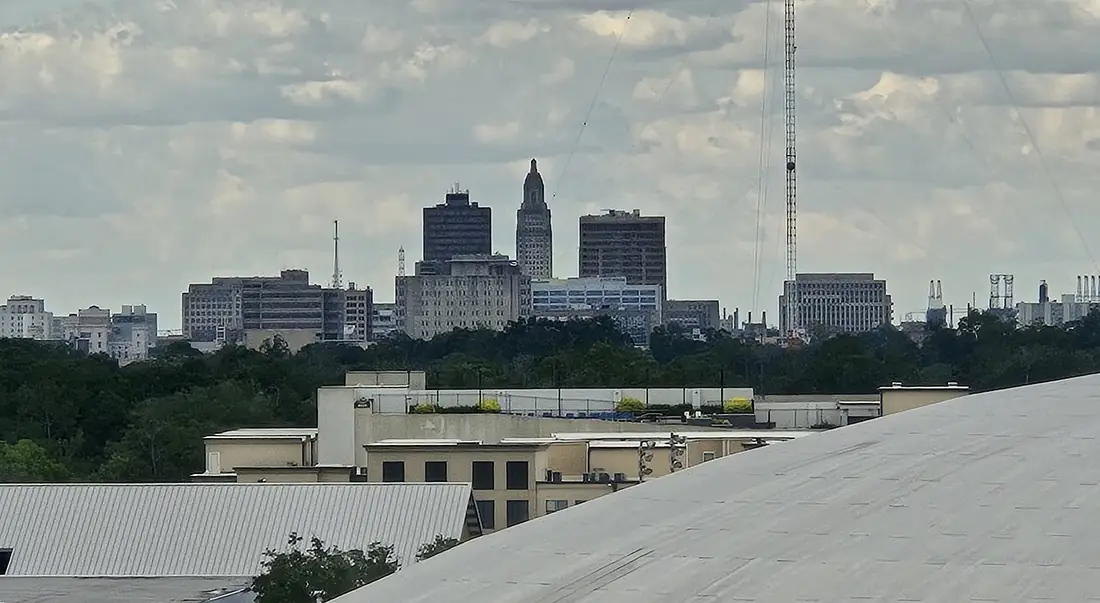
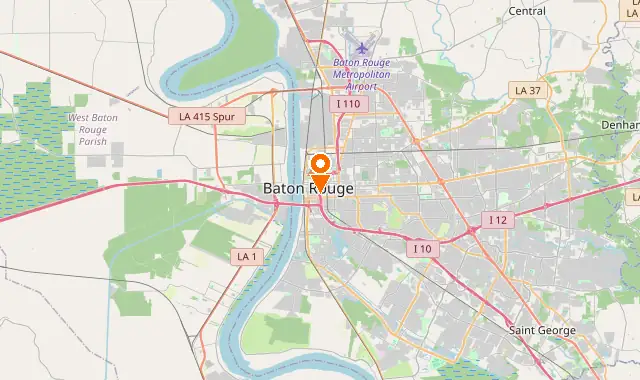
Local facts from Wikipedia and Wikidata, retrieved 2026-10-25. Population and area describe the city itself; the drain coverage counted on this page spans the wider area around it.
What drain work costs in Baton Rouge
Plan around the national bands, which apply in Baton Rouge unchanged: standard cleaning $99-$450, main line $200-$650, hydro jetting $300-$900, emergency work $150-$700. What moves a job inside its band is the line's length, its access and what the camera finds, in that order.
Quoted work that changes on site should change for a shown reason, footage or a fitting in hand, not for a feeling. The cheapest point in any band belongs to the job caught early, in daylight, with the work area clear and the cleanout found.
Getting ready for the visit
None of this is required, and all of it is cheap. Five habits that make a Baton Rouge drain visit shorter and its range firmer: Calls from Shreveport, Lafayette and Baton Rouge itself land with the same local network, so patterns spotted in one town inform the next.
- Clear the area under the sink or around the cleanout
- Keep children and pets away from any sewage-affected area
- Note which fixtures are affected and when it started
- Keep chemical openers out of a blocked line
- Move pets and belongings out of the work area
Baton Rouge coverage snapshot
Nearby covered cities: Shreveport, Lafayette, Metairie, Houma.
Coverage around Baton Rouge
Nearby cities we cover in Louisiana
- Drain cleaning in Shreveport, LA
- Drain cleaning in Lafayette, LA
- Drain cleaning in Metairie, LA
- Drain cleaning in Houma, LA
- Drain cleaning in Mandeville, LA
- Drain cleaning in Monroe, LA
- Drain cleaning in New Orleans, LA
The full list for the state is on the Louisiana locations page.
Questions, answered
How much does drain cleaning cost in Baton Rouge?
Budget $99-$450 for a standard cleaning in Baton Rouge, $200-$650 for main line work, and $125-$500 for a camera inspection. The exact position inside a range depends on the line, the access and the cause, and it is agreed on the call first. Access decides more quotes than homeowners expect: a cleanout that opens in seconds against one buried behind a finished wall are two different jobs wearing the same symptom. Access is the swing factor most often: a cleanout that opens saves time on every visit that follows too.
Why do older Baton Rouge homes clog more?
Because their pipes have had longer to narrow. The median Baton Rouge home dates to 1976, and lines of that era were jointed clay or cast iron in most American cities: scale builds on the walls, joints shift, and roots find the seams. It is age, not carelessness, and a camera shows exactly how far it has gone. Scale narrows the bore in rings, so an old line can pass a weekday's water and fail on a laundry day, which is why old-stock symptoms look intermittent before they look total. Root history is the detail worth telling the contractor; it changes the equipment that comes on the first trip.
Why do my drains slow down when it rains in Baton Rouge?
Because the ground and the line are connected wherever a joint has opened. Baton Rouge averages about 13.6 days a year with an inch or more of rain, and on those days groundwater pushes into marginal lines and the system runs full. Slowness that tracks the weather is a line problem, and a camera finds the joint responsible. Contractors read the lag: slowness during the storm suggests surcharge, slowness a day later suggests infiltration through the soil. Note whether the slowness follows rain by hours or by days; that timing is diagnostic and worth telling the contractor.
Who actually does the work in Baton Rouge?
An independent local contractor, not a DrainFlowed crew: this site is a connection service. The contractor who covers Baton Rouge runs their own business, sets the schedule, and agrees the price range with you on the call. Calls from Shreveport, Lafayette and Baton Rouge itself land with the same local network, so patterns spotted in one town inform the next. That independence is also why verifying license and insurance is your step, and a straightforward one.
What should I check before the contractor starts work in Baton Rouge?
Two things: the contractor's license number and proof of insurance, both checkable with the state board, and a clear statement that the agreed range covers the job as you described it. Reputable contractors expect both questions. Insurance is the quiet half of the question: it is what stands behind the work if a fitting fails or a line is damaged in the digging. If either answer is evasive, the call itself has told you what you needed to know.
Housing figures: US Census Bureau ACS (ACS 2024 5-year estimates via Census Reporter). Weather averages: Open-Meteo archive (ERA5), 2014-2023.
Get a Baton Rouge contractor on the line
One call connects you with an independent local contractor. Describe the problem, hear the range, verify the pro, then let the work happen.
(866) 555-0134 Tap to call nowA live person answers, day or night. Describe the problem, hear the likely range, then decide.